
Are Frozen Vegetables as Healthy as Fresh?
You'll learn that frozen vegetables are generally as nutritious as fresh ones, sometimes even more so, due to being picked at peak ripeness and quickly frozen, preserving their vitamin and mineral content.
Written by the Nutrition Tutor Academy teaching team from 3 primary sources. How we source →
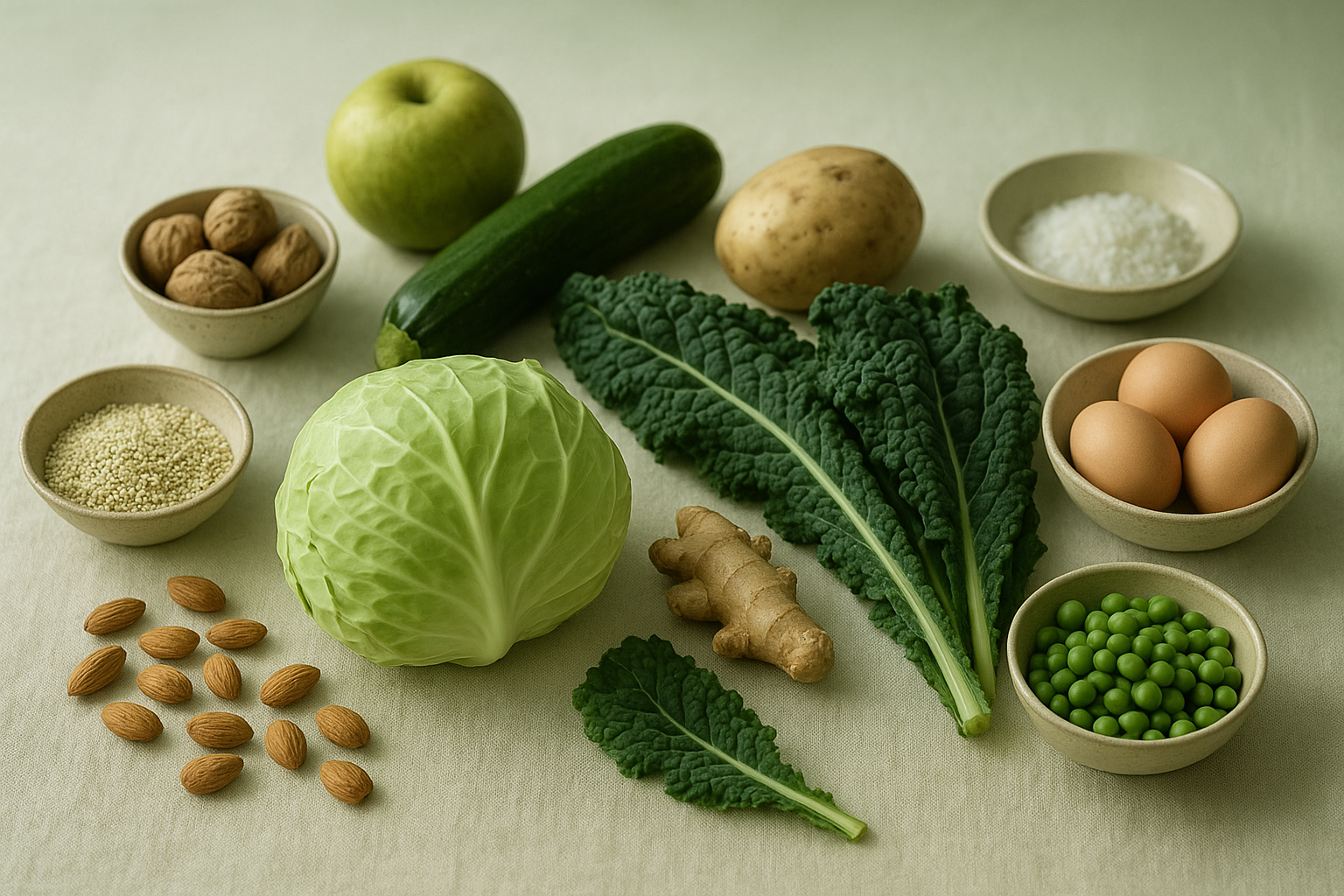
Quick answer: Yes, frozen vegetables are generally as healthy as fresh ones. They are typically picked at their peak ripeness when nutrient content is highest, then blanched and flash-frozen. This process locks in vitamins, minerals, and antioxidants, often resulting in nutrient levels comparable to, or even higher than, some fresh produce that has spent days in transit and storage.
Quick facts
- Frozen vegetables are picked at peak ripeness for maximum nutrient content.
- Flash-freezing locks in vitamins and minerals, preventing degradation.
- Nutrient levels in frozen vegetables are often comparable to fresh.
- Frozen options reduce food waste and offer year-round availability.
- Convenience of frozen vegetables supports consistent healthy eating.
- Avoid added sauces, sodium, or butter in frozen vegetable products.
Many people wonder if convenience foods compromise nutrition. When it comes to frozen vegetables, the answer is often a pleasant surprise: they are usually just as nutritious as their fresh counterparts.
How are frozen vegetables processed?
Frozen vegetables undergo a specific process designed to preserve their quality. They are typically harvested at their optimal ripeness, a stage where their nutrient density is highest. After harvesting, they are usually washed, cut, and then blanched in hot water or steam for a short period. Blanching stops enzyme actions that can cause nutrient loss, color changes, and flavor degradation. Immediately following blanching, the vegetables are flash-frozen at very low temperatures. This rapid freezing process forms tiny ice crystals that do less damage to plant cells, helping to maintain texture and nutrient integrity.
Do frozen vegetables lose nutrients?
While some minor nutrient losses can occur during the blanching process, particularly for water-soluble vitamins like Vitamin C and some B vitamins, these losses are often minimal and compensated by the fact that frozen vegetables are picked at their nutritional peak. In contrast, fresh vegetables can lose nutrients during transit, storage, and even once they are sitting in your refrigerator. For example, Vitamin C can degrade significantly over a few days after harvest in fresh produce. Research suggests that the nutrient profile of frozen vegetables often remains comparable to, or even surpasses, that of fresh vegetables that have been stored for several days.
What are the benefits of choosing frozen vegetables?
Choosing frozen vegetables offers several advantages. They provide year-round access to a wide variety of produce, regardless of seasonal availability, helping you maintain a diverse diet. Their extended shelf life significantly reduces food waste, as you can use only what you need and store the rest. From a cost perspective, frozen vegetables can often be more economical than fresh, especially for organic or out-of-season items. Moreover, their convenience — being pre-washed and pre-cut — reduces preparation time, making it easier to incorporate more vegetables into meals, which can contribute to better diet quality, as highlighted in studies on food choices Source.
Are there any downsides to frozen vegetables?
The primary concern with some frozen vegetable products is added ingredients. Check the label to avoid frozen vegetables with added sauces, high levels of sodium, butter, or preservatives. Opt for plain frozen vegetables, which contain only the vegetable itself. While texture can sometimes be slightly softer after freezing and cooking compared to fresh, this is usually negligible, especially when incorporated into cooked dishes like stir-fries, soups, or casseroles.
How can I maximize the nutrition from frozen vegetables?
To get the most nutritional benefit from frozen vegetables, cook them minimally. Steaming, microwaving, or stir-frying for a short duration until they are tender-crisp helps retain their vitamins and minerals. Avoid over-boiling, which can leach out water-soluble nutrients. Consider adding them directly to soups, stews, or pasta sauces, which helps capture any leached nutrients within the liquid of the dish.
Worked Example: Comparing Nutrient Retention
Imagine a bag of fresh broccoli harvested on a Monday. By the time it travels to the store, sits on the shelf, and then in your fridge for a few days, its Vitamin C content might decrease by 10-25% before you even cook it. Now, consider a bag of frozen broccoli harvested on the same Monday. It's blanched and flash-frozen within hours, locking in its Vitamin C. While blanching might cause a 5-10% loss initially, the subsequent freezing largely halts further degradation. When you cook the frozen broccoli months later, its Vitamin C content could be comparable to, or even higher than, the 'fresh' broccoli that has undergone several days of post-harvest nutrient decline. This demonstrates how the rapid processing of frozen vegetables can effectively preserve their nutritional value over time.
Key takeaways
- 01Frozen vegetables generally offer comparable nutritional value to fresh produce, often harvested at peak ripeness.
- 02The flash-freezing process helps retain vitamins, minerals, and antioxidants by halting nutrient degradation.
- 03Convenience, reduced food waste, and year-round availability are significant benefits of choosing frozen vegetables.
- 04Always opt for plain frozen vegetables to avoid unnecessary added sodium, sauces, or fats.
- 05Minimal cooking methods like steaming or stir-frying are best for preserving nutrients in frozen produce.
Frequently asked
Do all frozen vegetables lose nutrients during blanching?+
Blanching can cause some loss of water-soluble vitamins like Vitamin C and certain B vitamins. However, this loss is generally small and is often outweighed by the preservation of nutrients achieved by freezing at peak ripeness, preventing further degradation during storage.
Are organic frozen vegetables better than conventional frozen vegetables?+
Both organic and conventional frozen vegetables are healthy choices. Organic refers to farming practices, while conventional farming may use synthetic pesticides. From a nutritional standpoint, both offer similar benefits. Choose based on personal preference and budget.
Can I eat frozen vegetables raw after thawing?+
It is generally not recommended to eat frozen vegetables raw after thawing, as most are blanched before freezing. Blanching partially cooks them and affects their texture, making them less palatable raw. It's best to cook them briefly after thawing.
How long can frozen vegetables be stored?+
Properly stored frozen vegetables can typically last for 8 to 12 months in a freezer at 0°F (-18°C) without significant loss of quality or safety. Always check the 'best by' date on the package for specific guidance.
What's the best way to cook frozen vegetables?+
To retain nutrients and texture, quick cooking methods like steaming, stir-frying, roasting, or microwaving are ideal. Avoid over-boiling, which can cause water-soluble vitamins to leach into the cooking water.
Are frozen vegetables suitable for all diets?+
Yes, plain frozen vegetables are suitable for most diets, including vegetarian, vegan, gluten-free, and low-carb, as they are simply vegetables without added ingredients. Always check the product label if you have specific dietary restrictions.
Sources
Every lesson is drafted from primary sources - official announcements, vendor blogs, and reputable industry reporting - then edited by our pipeline.
More on Whole Foods
See all →Jan 1, 1970
Whole Food Meal Prep for Beginners: Your Essential Guide
This lesson guides beginners through whole food meal preparation, offering practical steps to save time and promote a nutrient-rich eating pattern.
Jan 1, 1970
Are Potatoes a Healthy Whole Food? A Nutrition Guide
This lesson explores the nutritional profile of potatoes, clarifying if they qualify as a healthy whole food and how their preparation impacts their health benefits.
Jan 1, 1970
Are Canned Beans a Whole Food?
This lesson explains how canned beans fit into whole food definitions, distinguishing them from ultraprocessed foods often high in added sugars, saturated fat, or sodium.
Jan 1, 1970
What's the Difference Between Processed and Ultra-Processed Foods?
This lesson explains the distinctions between processed and ultra-processed foods, focusing on their processing level, ingredients, and potential nutritional impacts to help you make informed dietary choices.
Free account
Want to go deeper?
Sign up free to unlock the full daily industry feed, save posts and articles to your library, and chat with the coach about anything you read.