
What Are the Healthiest Whole Grains to Eat?
This lesson explores how to identify and incorporate the healthiest whole grains into your diet, emphasizing their nutritional benefits and practical serving suggestions.
Written by the Nutrition Tutor Academy teaching team from 3 primary sources. How we source →
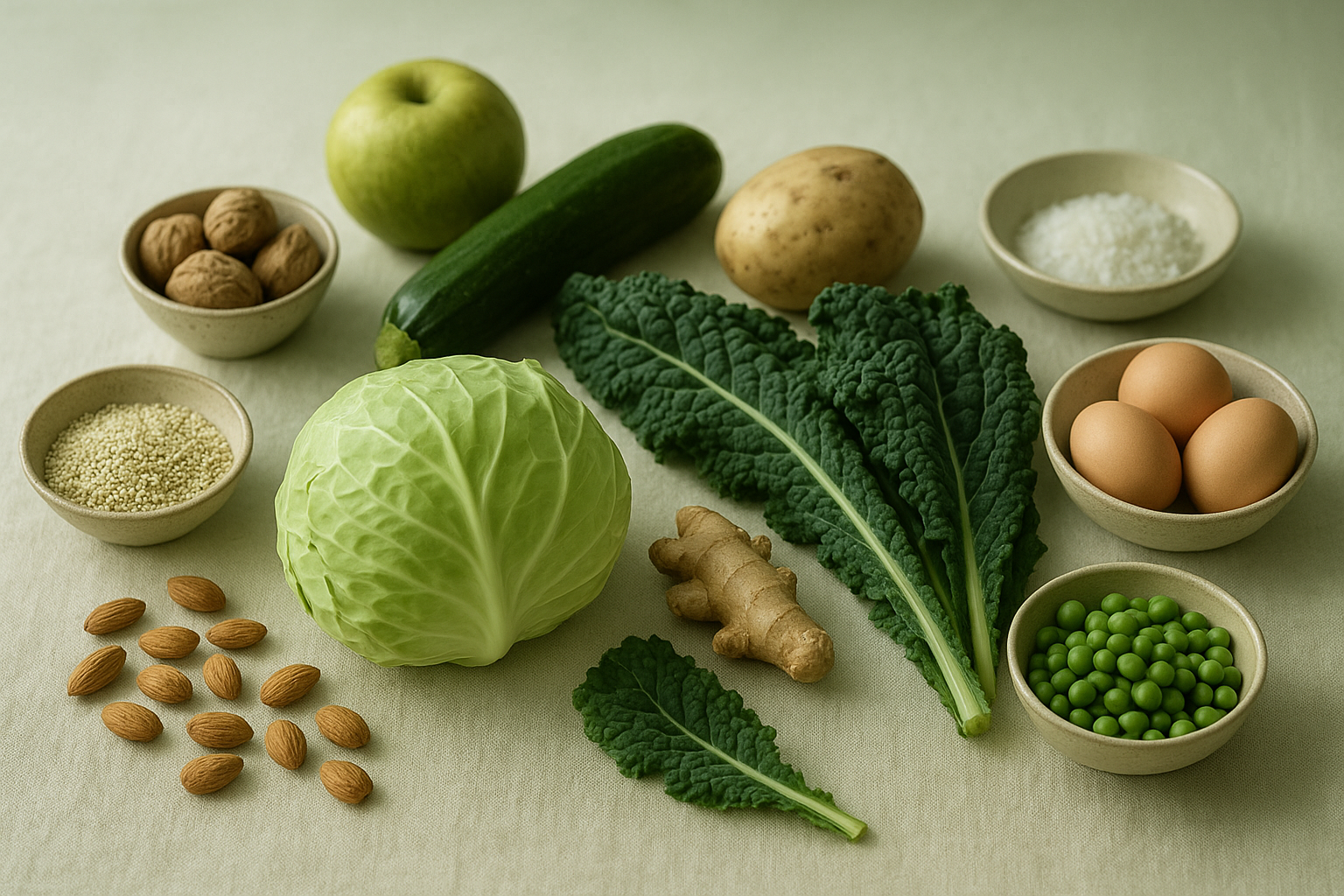
Quick answer: The healthiest whole grains to eat are those that retain all parts of the grain kernel—bran, germ, and endosperm—providing essential fiber, vitamins, and minerals. Examples often highlighted in healthy eating patterns like the DASH diet include oats, whole wheat, brown rice, barley, quinoa, and millet, which support overall health and may help manage conditions like high blood pressure.
Quick facts
- Whole grains contain bran, germ, and endosperm, offering more nutrients than refined grains.
- The DASH diet recommends 6 to 8 servings of grains daily, prioritizing whole grains.
- One serving of grains is typically 1/2 cup cooked cereal, rice, or pasta, or 1 slice of bread.
- Whole grains are rich in fiber, potassium, magnesium, and other vital minerals.
- Incorporating diverse whole grains supports heart health and may help lower LDL cholesterol.
- Look for 'whole grain' or 'whole wheat' as the first ingredient on food labels.
Whole grains are an essential part of a balanced diet, offering a wide array of nutrients often stripped away in refined grain products. Understanding which whole grains are most beneficial and how to incorporate them can significantly impact your health.
What Makes a Grain "Whole" and Why Does it Matter?
A grain is considered "whole" when it contains all three original parts of the kernel: the bran, germ, and endosperm. The bran is the fiber-rich outer layer, the germ is the nutrient-packed embryo, and the endosperm is the starchy core. In contrast, refined grains only contain the endosperm, losing much of their fiber, B vitamins, and iron during processing. Choosing whole grains ensures you get a more complete nutritional profile, including beneficial fiber, potassium, calcium, and magnesium, which are important for maintaining overall health Source.
What Are Some of the Healthiest Whole Grains?
While many whole grains offer nutritional benefits, some stand out for their widespread availability and versatility. Options commonly recommended in healthy eating plans include:
- Oats: Excellent source of soluble fiber (beta-glucan), which may support heart health.
- Whole Wheat: Used in bread, pasta, and other baked goods, it provides fiber and B vitamins.
- Brown Rice: A versatile gluten-free grain, offering magnesium, selenium, and fiber.
- Barley: Rich in soluble fiber, it can help lower cholesterol and regulate blood sugar.
- Quinoa: A complete protein, meaning it contains all nine essential amino acids, also rich in iron and magnesium.
- Millet: A gluten-free grain, good source of protein, fiber, and various minerals.
- Rye: High in fiber, it has a distinct flavor often found in breads.
These grains are rich in the minerals potassium, calcium, and magnesium, and are a key focus of dietary patterns like the DASH (Dietary Approaches to Stop Hypertension) diet, which aims to prevent or treat high blood pressure Source.
How Many Whole Grain Servings Should I Aim For Daily?
Dietary guidelines often suggest a significant portion of your daily grain intake should come from whole grains. For instance, the DASH diet, which is designed to support heart health, recommends 6 to 8 servings of grains per day for a 2,000-calorie diet Source. To maximize benefits, these servings should primarily be whole grains.
Example Daily Intake:
If you aim for 6 servings of grains daily:
- Breakfast: 1/2 cup cooked oatmeal (1 serving)
- Lunch: 2 slices of whole-wheat bread for a sandwich (2 servings)
- Dinner: 1 cup cooked brown rice (2 servings)
- Snack: 1 ounce (about 3/4 cup) whole-grain dry cereal (1 serving)
This example provides 6 whole grain servings throughout the day, aligning with heart-healthy recommendations. Remember that serving sizes are important: one serving of grains equals about 1/2 cup cooked cereal, rice, or pasta, or 1 slice of bread, or 1 ounce dry cereal Source.
How Can I Easily Incorporate More Whole Grains Into My Diet?
Making the switch to whole grains can be simple. Here are some practical tips:
- Swap Refined for Whole: Exchange white bread for whole-wheat, white rice for brown or wild rice, and regular pasta for whole-wheat pasta.
- Start with Breakfast: Incorporate oatmeal, whole-grain cereal, or whole-wheat toast into your morning routine.
- Experiment with New Grains: Try cooking with quinoa, farro, barley, or millet in salads, soups, or as a side dish.
- Read Labels: Look for products where "whole grain" or "whole wheat" is listed as the first ingredient to ensure it's truly a whole-grain product.
- Snack Smart: Choose whole-grain crackers, popcorn (air-popped is best), or whole-grain energy bars.
By making small, consistent changes, you can significantly boost your whole grain intake and reap the associated health benefits.
Key takeaways
- 01Prioritize whole grains that contain all three kernel parts (bran, germ, endosperm) for maximum nutritional benefit.
- 02Healthy whole grain options include oats, whole wheat, brown rice, barley, quinoa, and millet.
- 03Aim for 6-8 servings of grains daily, primarily from whole grain sources, as recommended by the DASH diet.
- 04One grain serving is typically 1/2 cup cooked grain or 1 slice of whole-grain bread.
- 05Integrate whole grains into meals by swapping refined options, trying new grains, and reading food labels carefully.
Frequently asked
What is the difference between whole grains and refined grains?+
Whole grains contain the entire kernel—bran, germ, and endosperm—retaining more fiber, vitamins, and minerals. Refined grains have the bran and germ removed, which strips away much of their nutritional value.
Are all whole grain products equally healthy?+
Not necessarily. While all whole grains offer benefits, some whole grain products may contain added sugars, unhealthy fats, or excessive sodium. Always check the ingredient list and nutritional information.
Can I eat whole grains if I'm gluten-sensitive?+
Yes, many healthy whole grains are naturally gluten-free. Examples include quinoa, brown rice, millet, buckwheat, and gluten-free oats. Always check labels for certification if you have celiac disease or severe sensitivity.
How can I tell if a bread product is truly whole grain?+
Look for the words "whole grain" or "100% whole wheat" as the very first ingredient on the label. Terms like "multigrain," "wheat flour," or "stone-ground" do not guarantee a whole grain product.
What are the benefits of eating whole grains?+
Eating whole grains is associated with benefits such as improved digestive health, better blood sugar control, support for heart health by helping lower LDL cholesterol, and a reduced risk of certain chronic conditions.
How does the DASH diet recommend whole grains?+
The DASH diet focuses on vegetables, fruits, and whole grains, recommending 6 to 8 servings of grains daily for a 2,000-calorie diet, with an emphasis on choosing whole grain options.
Sources
Every lesson is drafted from primary sources - official announcements, vendor blogs, and reputable industry reporting - then edited by our pipeline.
More on Whole Foods
See all →Jan 1, 1970
Whole Food Meal Prep for Beginners: Your Essential Guide
This lesson guides beginners through whole food meal preparation, offering practical steps to save time and promote a nutrient-rich eating pattern.
Jan 1, 1970
Are Potatoes a Healthy Whole Food? A Nutrition Guide
This lesson explores the nutritional profile of potatoes, clarifying if they qualify as a healthy whole food and how their preparation impacts their health benefits.
Jan 1, 1970
Are Canned Beans a Whole Food?
This lesson explains how canned beans fit into whole food definitions, distinguishing them from ultraprocessed foods often high in added sugars, saturated fat, or sodium.
Jan 1, 1970
What's the Difference Between Processed and Ultra-Processed Foods?
This lesson explains the distinctions between processed and ultra-processed foods, focusing on their processing level, ingredients, and potential nutritional impacts to help you make informed dietary choices.
Free account
Want to go deeper?
Sign up free to unlock the full daily industry feed, save posts and articles to your library, and chat with the coach about anything you read.