
Healthy Snacks for Kids: A Guide to Nutritious Choices
Learn how to choose and prepare healthy snacks for kids that support their growth and development, focusing on increasing fruits and vegetables while limiting sugary options.
Written by the Nutrition Tutor Academy teaching team from 3 primary sources. How we source →
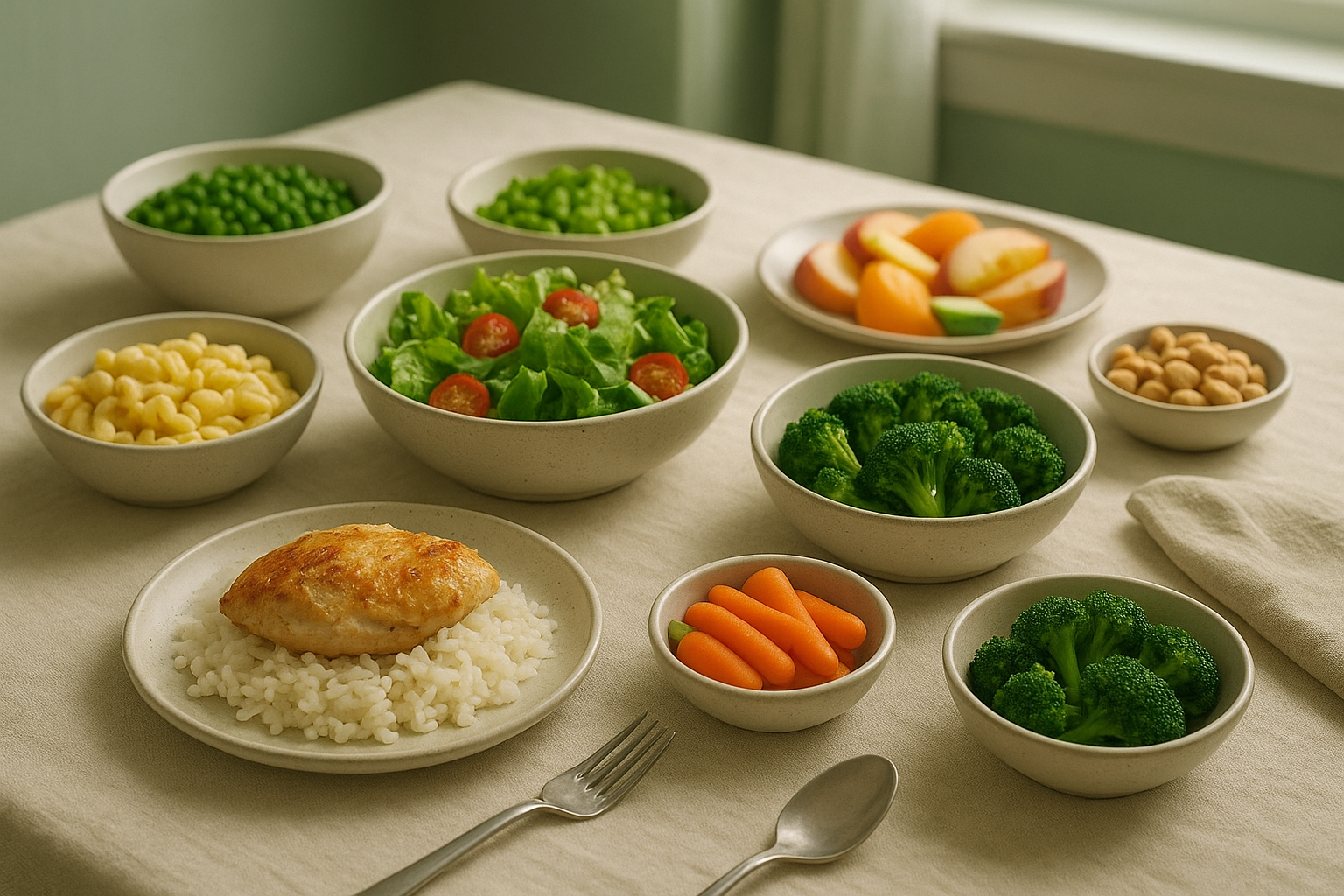
Quick answer: Healthy snacks for kids typically emphasize whole foods like fruits, vegetables, and lean proteins, while minimizing processed items high in sugar. Making nutritious options readily available in the home can support better dietary habits. Research suggests increasing vegetables and reducing prepared desserts can positively influence a child's diet.
Quick facts
- Prioritize whole foods like fruits and vegetables for kid's snacks.
- Limit sugar-containing foods, including prepared desserts and sugar-sweetened beverages.
- Making healthy options available at home influences children's dietary choices.
- Parents play a key role in providing a healthy home food environment.
- Snacks can contribute to a child's daily nutritional intake.
- Variety in healthy snacks helps ensure a broad spectrum of nutrients.
Providing healthy snacks for kids is an important aspect of fostering good nutrition and lifelong healthy eating habits. Snacks can offer essential nutrients and energy between meals, especially for active, growing children.
Why are healthy snacks important for children?
Children have smaller stomachs and higher energy demands relative to their body size compared to adults. Snacks can help meet their nutritional needs and maintain energy levels throughout the day. Offering nutritious options helps introduce children to a variety of foods and supports their overall growth and development, potentially reducing the risk of chronic diseases later on.
What types of foods make healthy snacks for kids?
Healthy snacks for kids should primarily consist of whole, unprocessed foods. Focus on combining different food groups to provide a balanced intake of nutrients. Good choices include fruits, vegetables, whole grains, and lean proteins.
Examples of healthy snack components:
- Fruits: Apples, bananas, berries, orange slices, grapes.
- Vegetables: Carrot sticks, cucumber slices, bell pepper strips, cherry tomatoes.
- Whole Grains: Whole-wheat crackers, whole-grain bread, plain popcorn.
- Proteins: Cheese sticks, plain yogurt, hard-boiled eggs, small portions of nuts (for older children without allergies).
How does the home food environment influence snack choices?
The availability of foods in the home significantly impacts what children eat. Research indicates that when healthy options like fruits and vegetables are readily available, children are more likely to consume them. Conversely, an abundance of sugary foods can lead to poorer dietary outcomes Source.
Worked Example:
Imagine a family wants to improve their child's snack habits. Instead of keeping a pantry stocked with cookies and sugary cereals, they decide to try a new approach based on creating a healthier home food environment.
- Remove temptation: They reduce the number of prepared desserts and candies available in the house, as studies suggest this can lead to positive changes in consumption Source.
- Increase healthy availability: They start buying more fresh fruits and vegetables and keep them washed, cut, and easily accessible in the refrigerator. For example, a bowl of grapes and a container of pre-cut bell peppers are always visible.
- Offer choices: When the child asks for a snack, they offer two healthy options, such as apple slices with a small amount of peanut butter or a cheese stick with whole-wheat crackers.
Over time, the child naturally starts to reach for the healthier options because they are convenient and regularly presented. This change in the home food environment helps establish new, healthier snacking patterns.
What should be limited in kids' snacks?
It is generally recommended to limit foods high in added sugars, unhealthy fats, and excessive sodium. These include many processed snacks, sugary drinks, and prepared desserts. The diets of many children and adolescents often exceed daily recommendations for low-nutrient density foods and sugar-sweetened beverages.
Examples of snacks to limit:
- Candy
- Sodas and other sugar-sweetened beverages
- Cakes, cookies, and pastries
- Fried snacks like potato chips
- Snack bars with high sugar content
Interventions aimed at improving the home food environment by increasing vegetables and reducing prepared desserts have shown positive results in studies, demonstrating the impact of parental choices on children's diets Source.
How can parents encourage healthy snacking habits?
Parents are key in shaping children's eating behaviors. Beyond just providing healthy options, modeling good eating habits and involving children in food preparation can make a significant difference. Creating a positive and supportive eating environment helps children develop a healthy relationship with food.
Tips for parents:
- Be a role model: Eat healthy snacks yourself.
- Involve kids: Let them help choose fruits or vegetables at the grocery store, or wash and prepare simple snacks.
- Make it fun: Cut fruits and vegetables into fun shapes, or arrange them creatively.
- Don't force it: Offer healthy options, but avoid power struggles. Children may need to be exposed to a new food multiple times before accepting it.
- Plan ahead: Have healthy snacks readily available to avoid resorting to less nutritious choices when hunger strikes.
Key takeaways
- 01Prioritize whole, unprocessed foods like fruits, vegetables, and lean proteins for kids' snacks.
- 02The home food environment significantly influences children's snack choices; make healthy options easily accessible.
- 03Limit the availability of sugar-containing foods and prepared desserts to encourage better dietary habits.
- 04Parents play a crucial role in modeling healthy eating and involving children in snack preparation.
- 05Healthy snacking contributes to meeting a child's daily nutritional needs and supports overall health.
Frequently asked
What is considered a healthy snack for a child?+
A healthy snack for a child is typically made of whole foods such as fruits, vegetables, whole grains, and sources of lean protein like cheese or yogurt, offering essential nutrients.
How often should my child have snacks?+
The frequency of snacks can vary depending on a child's age, activity level, and meal schedule, but generally, 1-2 snacks between meals are common to help maintain energy and nutrient intake.
Should I completely eliminate sugary snacks from my child's diet?+
While limiting sugary snacks is beneficial, complete elimination may not be necessary. Focus on moderation and ensuring that the majority of snacks are nutritious, allowing occasional treats in small portions.
My child only wants to eat unhealthy snacks. What can I do?+
Gradually introduce healthier options and limit the availability of unhealthy choices at home. Offer healthy alternatives and be a role model by eating nutritious snacks yourself. Persistence and variety are key.
Are fruit juices considered healthy snacks?+
While fruit juice contains some vitamins, it lacks the fiber of whole fruit and can be high in sugar. Whole fruits are generally a healthier snack option than fruit juices, which should be consumed in moderation.
How can I make vegetables more appealing for snacks?+
Try cutting vegetables into fun shapes, pairing them with a healthy dip like hummus or yogurt-based dressing, or incorporating them into colorful snack platters. Involving children in selecting and preparing vegetables can also help.
What's an easy grab-and-go healthy snack option?+
Easy grab-and-go options include pre-washed and cut fruit (like apple slices or berries), cheese sticks, plain yogurt cups, hard-boiled eggs, or a small handful of unsalted nuts for older children.
Sources
Every lesson is drafted from primary sources - official announcements, vendor blogs, and reputable industry reporting - then edited by our pipeline.
More on Family & Kids
See all →Jul 23, 2026
How to Feed a Picky Eater
Learn effective strategies to manage picky eating in children, focusing on creating positive mealtime environments, introducing new foods without pressure, and establishing clear eating routines.
Jul 20, 2026
Visual Contrast in Dining: Boosting Intake for Older Adults
Improving the visual contrast between food, plates, and placemats can help older adults eat more, especially those with cognitive decline.
Jul 20, 2026
Visual Contrast in Dining Boosts Food Intake for Older Adults
A systematic review indicates that enhancing visual contrast between food, plates, and tables can improve dietary intake in older adults.
Jul 20, 2026
Visual Cues and Dietary Intake for Eating Well
New research explores how visual contrast in dining environments can influence how much people eat, especially in older adults, suggesting practical ways to improve nutritional intake.
Free account
Want to go deeper?
Sign up free to unlock the full daily industry feed, save posts and articles to your library, and chat with the coach about anything you read.