
Visual Contrast in Dining: Boosting Intake for Older Adults
Improving the visual contrast between food, plates, and placemats can help older adults eat more, especially those with cognitive decline.
Written by the Nutrition Tutor Academy teaching team from 3 primary sources. How we source →
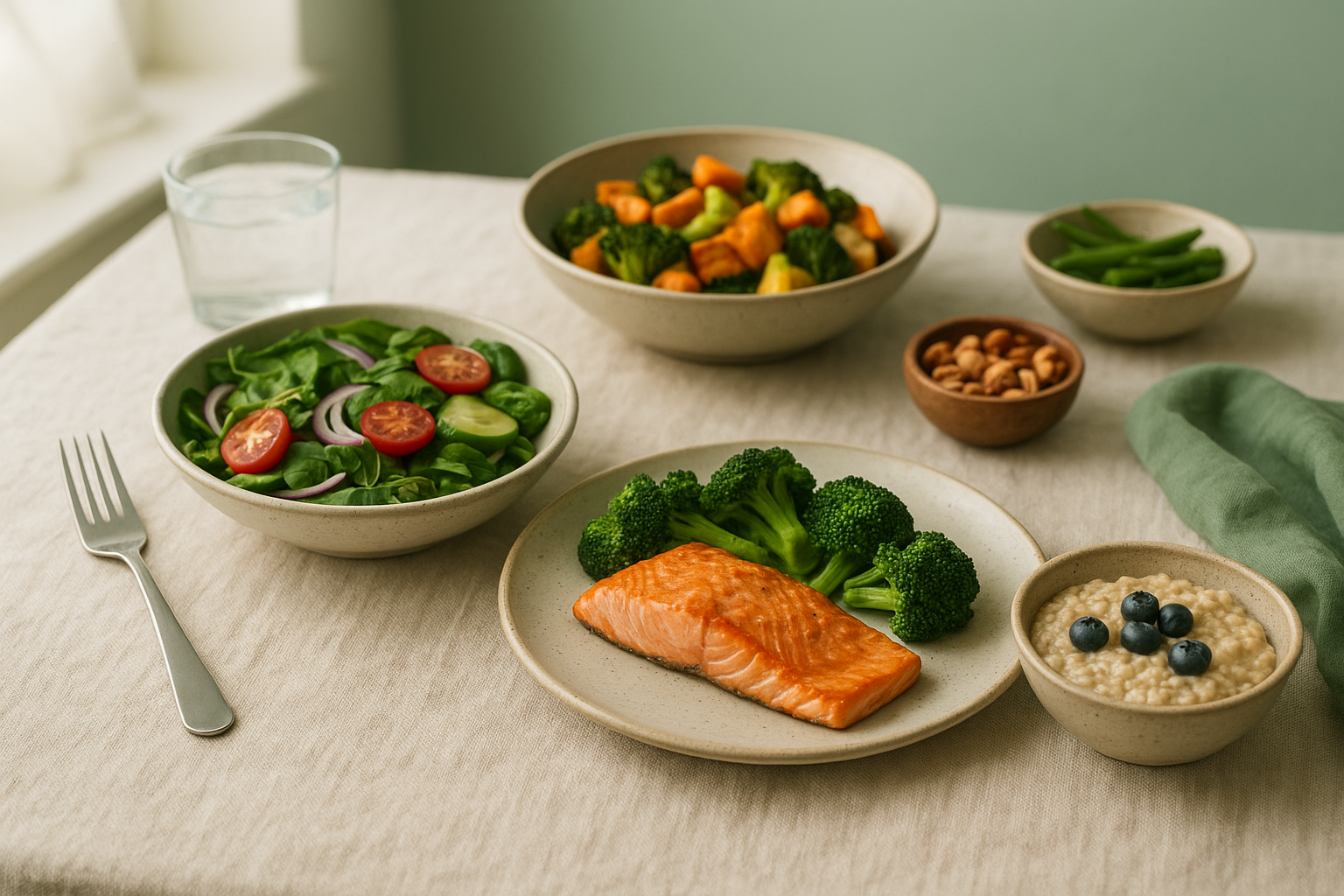
How Plate Colors Can Impact How Much We Eat
Ever notice how a perfectly plated meal looks more appealing? A recent systematic review highlights that for older adults, particularly those with cognitive decline, the visual contrast of their dining environment can significantly impact how much they eat Source.
The review suggests that by making food stand out more from the plate, and the plate from the table, we can encourage greater dietary intake. This isn't about fancy garnishes, but rather using different colors to create clearer visual distinctions.
The Role of Contrast
Visual contrast refers to the difference in lightness or color between objects. In the dining setting, this means the contrast between:
- Food and plate: A dark soup in a light bowl, or light-colored mashed potatoes on a dark plate.
- Plate and placemat/table: A colored plate on a contrasting placemat.
For older adults, declining vision, reduced color perception, and cognitive changes can make it harder to differentiate food from its container or the surface it's on. This can lead to reduced food intake, as meals might appear less inviting or even harder to locate on the plate.
Why This Matters for Older Adults
Many older adults face challenges with adequate nutrition, which can include decreased appetite, difficulty chewing or swallowing, and sensory changes like taste and smell. This systematic review adds another layer: visual perception.
When food blends into the plate, or the plate blends into the table, it can subconsciously (or consciously, for those with more pronounced visual impairment) lead to less consumption. By boosting this visual contrast, meals become more distinct and potentially more appealing, encouraging more bites.
Practical Tips for the Dining Environment
Making these changes doesn't require a complete overhaul of your kitchen or dining room. Simple adjustments based on the principles of visual contrast can make a difference.
Choose Contrasting Dinnerware
Consider using plates and bowls that offer a strong color contrast with the typical foods served. For example:
- If serving a light-colored meal (like chicken and mashed potatoes), use a dark-colored plate.
- If serving a darker meal (like stew or a colorful vegetable medley), a light-colored plate would be more effective.
Avoid white foods on white plates or brown foods on brown plates, as these tend to blend.
Use Contrasting Placemats
Extend the contrast to the table setting. If you're using white plates, a dark-colored placemat can help the plate stand out. Conversely, a lighter placemat can highlight darker plates.
What About Glassware and Utensils?
While the primary focus of the review is on food-plate and plate-table contrast, the same principles can apply to other dining elements. Clear glasses against a light tablecloth might be harder to see than against a darker one, though more research is needed in these specific areas.
Supporting Those with Cognitive Decline
The review specifically notes a potential benefit for individuals with cognitive decline. For these individuals, simplifying visual information and making food elements clearer can reduce confusion and increase engagement with the meal. This subtle environmental cue can be a gentle way to support better nutritional habits without direct prompting or pressure.
In essence, by thoughtfully selecting dining ware and linens, we can create an environment that subtly nudges older adults towards better dietary intake, making mealtime a more pleasant and beneficial experience.
Key takeaways
- 01Boosting visual contrast in dining settings can help older adults eat more, especially those with cognitive decline.
- 02Use contrasting colors between food and plates, like dark food on light plates or vice versa.
- 03Ensure plates stand out from the table or placemat by choosing contrasting colors.
- 04Simple changes to dinnerware and placemats can create a more visually appealing meal.
- 05This strategy can subtly encourage better nutritional intake without direct intervention.
Frequently asked
What is visual contrast in a dining environment?+
Visual contrast refers to the difference in color or lightness between food and the plate, or between the plate and the table or placemat it sits on. High contrast makes items easier to distinguish.
Why is visual contrast important for older adults' eating habits?+
Older adults, especially those with vision changes or cognitive decline, may struggle to distinguish food from their plate or the table if colors blend too much. This can lead to reduced food intake, so good contrast makes meals more appealing and easier to see.
What are some easy ways to increase visual contrast at mealtime?+
You can use plates that are a contrasting color to the food being served (e.g., dark plate for light food). Also, place settings on placemats that contrast with the plate color can help the meal stand out more.
Does this only apply to people with severe vision problems?+
While it's particularly helpful for those with vision changes or cognitive decline, the principle of visual contrast can make meals more appealing for many older adults, subtly encouraging better intake. It's a gentle, supportive approach.
Are there specific colors I should use for plates or placemats?+
The key is contrast, not specific colors. If a food is light-colored (like mashed potatoes), a dark plate works well. For dark-colored foods (like a stew), a light-colored plate will create better contrast. Apply the same idea for placemats relative to the plates.
Sources
Every lesson is drafted from primary sources - official announcements, vendor blogs, and reputable industry reporting - then edited by our pipeline.
More on Family & Kids
See all →Aug 10, 2026
Healthy Snacks for Kids: A Guide to Nutritious Choices
Learn how to choose and prepare healthy snacks for kids that support their growth and development, focusing on increasing fruits and vegetables while limiting sugary options.
Jul 23, 2026
How to Feed a Picky Eater
Learn effective strategies to manage picky eating in children, focusing on creating positive mealtime environments, introducing new foods without pressure, and establishing clear eating routines.
Jul 20, 2026
Visual Contrast in Dining Boosts Food Intake for Older Adults
A systematic review indicates that enhancing visual contrast between food, plates, and tables can improve dietary intake in older adults.
Jul 20, 2026
Visual Cues and Dietary Intake for Eating Well
New research explores how visual contrast in dining environments can influence how much people eat, especially in older adults, suggesting practical ways to improve nutritional intake.
Free account
Want to go deeper?
Sign up free to unlock the full daily industry feed, save posts and articles to your library, and chat with the coach about anything you read.