
Visual Contrast in Dining Boosts Food Intake for Older Adults
A systematic review indicates that enhancing visual contrast between food, plates, and tables can improve dietary intake in older adults.
Written by the Nutrition Tutor Academy teaching team from 3 primary sources. How we source →
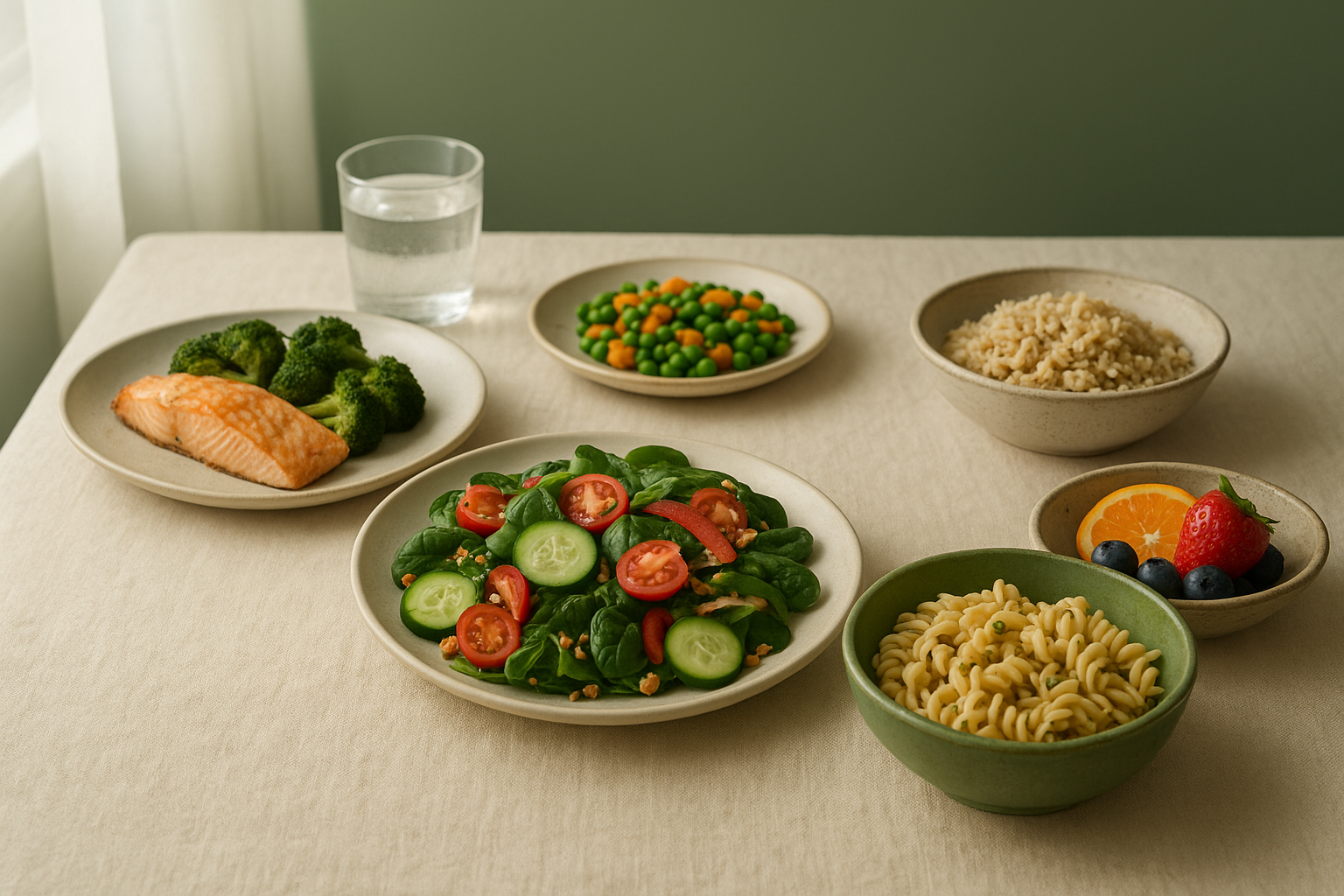
A recent systematic review explored how modifying visual contrast in the dining environment affects dietary intake in older adults. The findings suggest that making food more visually distinct from plates and tables can encourage better eating habits Source.
The Role of Visual Contrast in Eating
Visual contrast refers to the difference in color or lightness between an object and its background. For older adults, declining vision can make it harder to distinguish food from the plate, or the plate from the table surface. This difficulty can inadvertently reduce food intake, even when appetite is present.
How Contrast Influences Intake
Studies reviewed illustrate that when food items blend in with the plate, or the plate blends in with the tablecloth, individuals may eat less. This is believed to be due to reduced 'saliency'—the food simply doesn't stand out enough to capture attention and stimulate appetite. By increasing the contrast, food becomes more noticeable and appealing.
For example, serving a light-colored meal like mashed potatoes on a dark-colored plate, rather than a white one, can make the food more distinct. Similarly, placing a plate on a contrasting placemat or tablecloth can make the entire meal setting more visually engaging.
Practical Applications at Home
Caregivers and family members can easily apply these findings to improve the mealtime experience for older adults.
- Plate Color Matters: Opt for plates that significantly contrast with the color of the food being served. If serving pasta with a light sauce, a dark blue or green plate might be more effective than a white one. For darker foods like stew, a lighter plate could be beneficial.
- Tabletop Choices: Consider the tablecloth or placemat color. A contrasting color to the plate itself can help the plate stand out, making the overall meal more inviting.
- Lighting: While not directly addressed as 'visual contrast' in the same way, good, even lighting can further enhance the visibility of food and dining items.
These simple adjustments don't require dietary changes, but rather focus on the presentation, which can have a significant impact on how much an older adult eats.
Why This Is Important for Nutrition
Many older adults face challenges with adequate nutrition due to various factors, including decreased appetite, changes in taste and smell, and visual impairments. Malnutrition in this population can lead to weakened immune systems, slower recovery from illness, and reduced quality of life. By addressing even subtle environmental factors like visual contrast, families can contribute to better nutritional outcomes without drastic overhaul of diet plans or meal preparations.
Implementing these changes can be a low-cost, high-impact strategy to support healthy eating for older family members, ensuring they receive the nutrients they need.
Key takeaways
- 01Increase visual contrast between food and plate to encourage greater food intake in older adults.
- 02Choose plate colors that stand out against the food; for example, dark plates for light food, and vice versa.
- 03Use contrasting placemats or tablecloths to make plates more noticeable on the table.
- 04Simple changes in dining presentation can support better nutrition and help prevent malnutrition in older adults.
Frequently asked
What exactly is visual contrast in dining?+
Visual contrast in dining refers to the difference in color or lightness between the food, the plate, and the table surface. It's about how much each item stands out from another.
Why is visual contrast important for older adults?+
As people age, their vision can decline, making it harder to distinguish food from plates or plates from tables. This reduced visibility can cause them to eat less, even unconsciously.
What's an easy way to apply this at home?+
You can try using plates that are a different color from the food, like serving mashed potatoes (light) on a dark plate, or a dark stew on a light plate. Also, use placemats or tablecloths that contrast with the plates.
Does this mean I need to buy special plates?+
Not necessarily. You can start by observing the colors of your current plates and foods, and try to create more separation visually. Even using a contrasting placemat can make a big difference.
Can this help with picky eaters who are not older adults?+
While the study focused on older adults, visual appeal and clear presentation can encourage anyone to eat, including children. Making food look more distinct might tempt a picky eater.
Sources
Every lesson is drafted from primary sources - official announcements, vendor blogs, and reputable industry reporting - then edited by our pipeline.
More on Family & Kids
See all →Aug 10, 2026
Healthy Snacks for Kids: A Guide to Nutritious Choices
Learn how to choose and prepare healthy snacks for kids that support their growth and development, focusing on increasing fruits and vegetables while limiting sugary options.
Jul 23, 2026
How to Feed a Picky Eater
Learn effective strategies to manage picky eating in children, focusing on creating positive mealtime environments, introducing new foods without pressure, and establishing clear eating routines.
Jul 20, 2026
Visual Contrast in Dining: Boosting Intake for Older Adults
Improving the visual contrast between food, plates, and placemats can help older adults eat more, especially those with cognitive decline.
Jul 20, 2026
Visual Cues and Dietary Intake for Eating Well
New research explores how visual contrast in dining environments can influence how much people eat, especially in older adults, suggesting practical ways to improve nutritional intake.
Free account
Want to go deeper?
Sign up free to unlock the full daily industry feed, save posts and articles to your library, and chat with the coach about anything you read.