
How to Feed a Picky Eater
Learn effective strategies to manage picky eating in children, focusing on creating positive mealtime environments, introducing new foods without pressure, and establishing clear eating routines.
Written by the Nutrition Tutor Academy teaching team from 3 primary sources. How we source →
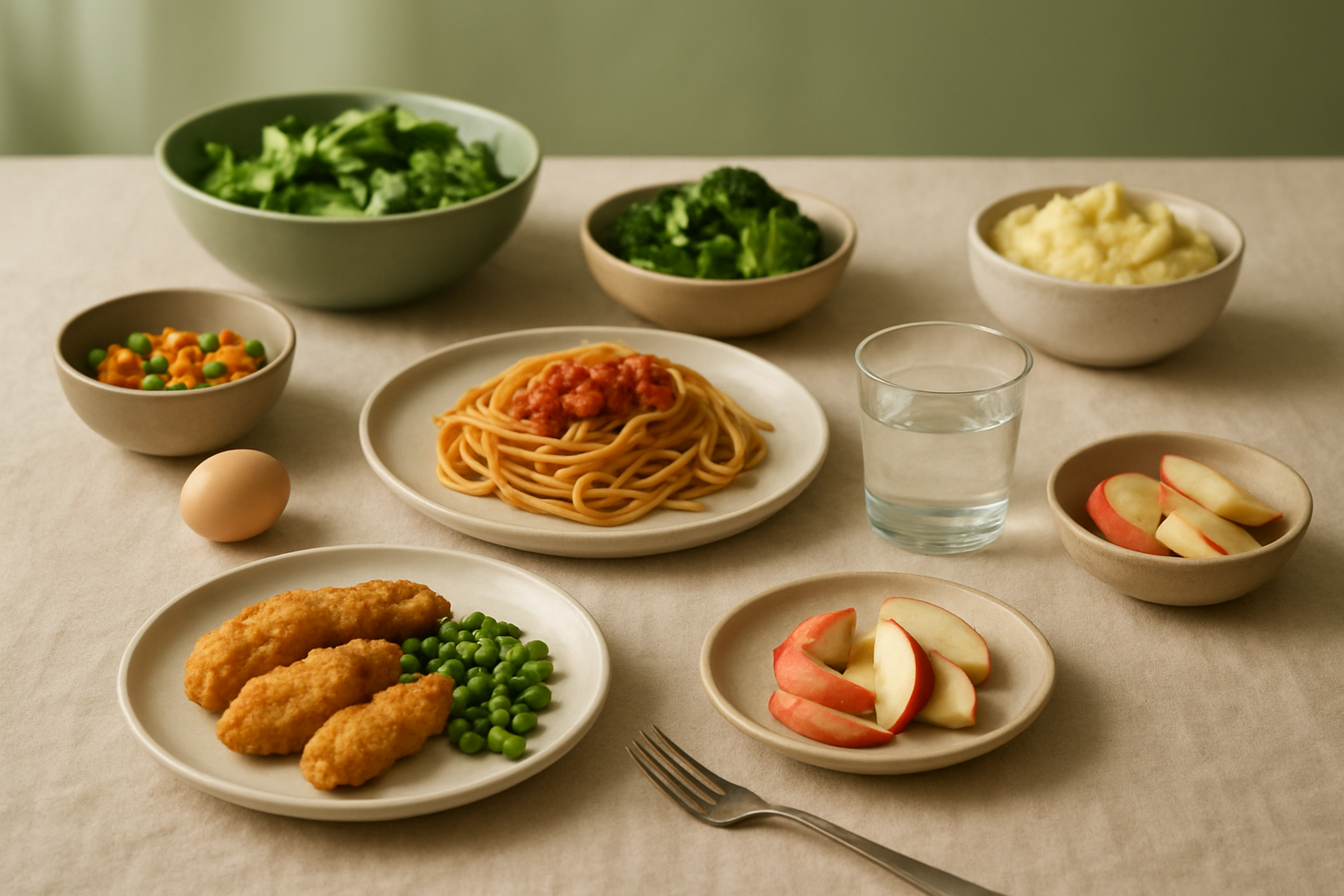
Quick answer: To feed a picky eater, consistently offer new foods without pressure, provide structured mealtimes, and allow children to decide how much and whether to eat. Involving children in meal prep and making food fun can also increase their willingness to try unfamiliar items, often requiring 10 or more exposures before acceptance.
Quick facts
- Picky eating is common in 2-6 year olds, affecting up to 50% of children.
- Most children outgrow picky eating by age 5, but it can persist.
- Early introduction of diverse solids from 6 months can shape a broader palate.
- Children may need 10+ exposures to a new food before accepting it.
- Limiting ultra-processed snacks helps prevent dulling hunger cues for meals.
Picky eating is a familiar challenge for many parents. It's often a normal developmental phase, especially between the ages of 2 and 6. However, with consistent strategies, parents can guide their children towards a more varied and nutritious diet.
What is picky eating in children?
Picky eating occurs when children limit the variety of foods they consume, often rejecting both familiar and unfamiliar options. They may also display food neophobia, which is a hesitation or refusal to try new foods. This behavior is common, with studies indicating up to 50% of parents identify their child as a picky eater Source.
Food neophobia: Refusal or hesitation to try new foods.
For many children, this pickiness is a temporary phase that resolves by age five. However, consistent intervention during these early years can foster a healthier relationship with food that lasts into adulthood.
How can I create a positive mealtime environment?
Creating a positive mealtime environment involves setting clear boundaries and responsibilities, promoting enjoyable experiences, and reducing pressure. Parents should focus on Ellyn Satter's Division of Responsibility in Feeding, which states that parents are responsible for what, when, and where food is offered, while the child is responsible for whether and how much they eat Source. This framework helps to minimize power struggles and stress during meals.
- Establish regular meal and snack times: Aim for three meals and two snacks daily to create predictability.
- Offer new foods without pressure: Children may need to encounter a new food 10 or more times before accepting it. Encourage touching, smelling, and even a small taste without forcing consumption.
- Make food fun and engaging: Use creative presentations like cookie cutters for sandwiches, serve veggies with dip, or use colorful plates and cups.
Should I involve my child in food preparation?
Yes, involving children in food preparation can significantly increase their willingness to try new foods. When children participate in the process, they develop ownership and curiosity about the food they are preparing. Simple tasks like washing produce, tearing lettuce, or stirring ingredients can make a big difference.
For example, even young children around age three can help prep vegetables using butter knives or serrated plastic knives, with adult supervision. Teaching them to hold food in a “claw” shape can help prevent accidents while cutting. This active engagement turns meal prep into a shared, positive experience, which can minimize picky eating related to a need for bonding and autonomy Source.
How do I introduce new foods effectively?
Introduce new foods strategically to reduce resistance and increase acceptance. A key strategy is to offer new foods alongside familiar, preferred foods. This takes the pressure off the child to eat the new item and provides comfort.
- Pair new with known: Serve a small portion of a new food with two familiar foods your child enjoys.
- Vary presentation: If a child rejects a food, try offering it again in a different form or texture, such as roasted vegetables instead of steamed, or pureed in a soup.
- Offer outside of mealtimes: Sometimes, presenting a new food when there's no expectation of eating a full meal can reduce pressure and encourage exploration.
What role do snacks and processed foods play?
Frequent snacking, especially on ultra-processed foods, can diminish a child's appetite for meals and interfere with natural hunger cues. Limiting overly palatable packaged snacks can make it easier for children to explore and accept new whole foods.
- Limit snacking to set times: Adhere to the established schedule of three meals and two snacks to allow children to build up genuine hunger for main meals.
- Choose minimally processed options: Prioritize whole foods like fruits, vegetables, and quality proteins for snacks and meals. For instance, instead of highly processed breakfast cereals, aim for two to three savory breakfasts weekly, such as eggs or beans Source. This helps prevent reliance on sugary or salty packaged items that can make healthier options seem less appealing.
When should I seek professional help for picky eating?
While most picky eating is a temporary developmental phase, extreme food avoidance or severe restrictions could indicate a more serious condition like Avoidant/Restrictive Food Intake Disorder (ARFID). If picky eating persists beyond the typical age, leads to significant nutrient deficiencies, or causes distress for the child, it's advisable to seek support from a healthcare professional or a specialist like a registered dietitian or a feeding therapist. Conditions like ARFID often require professional guidance to support food re-introduction and ensure adequate nutrition Source.
Key takeaways
- 01Picky eating is a normal phase for many young children, but can be managed with consistent strategies.
- 02Implement the Division of Responsibility: parents decide what, when, and where; children decide if and how much.
- 03Regularly expose children to new foods without pressure; it may take 10+ tries for acceptance.
- 04Involve children in meal preparation to foster curiosity and encourage trying new ingredients.
- 05Limit processed snacks and stick to structured meal and snack times to promote better appetite at meals.
Frequently asked
How common is picky eating?+
Picky eating is very common in young children, affecting up to 50% of children between the ages of 2 and 6 years old.
At what age do children usually outgrow picky eating?+
Most children tend to outgrow picky eating by the age of 5, though it can persist into later childhood or even adulthood for some.
How many times should I offer a new food?+
Children may need to be exposed to a new food 10 or more times before they are willing to try or accept it.
Can picky eating affect a child's health?+
Yes, persistent picky eating can sometimes lead to nutrient deficiencies, especially in iron and zinc, and may impact overall development if not addressed.
What is the Division of Responsibility in Feeding?+
This framework outlines that parents are responsible for providing food (what, when, where), while children are responsible for deciding whether and how much to eat.
Are sensory issues related to picky eating?+
Yes, children with heightened taste, smell, or tactile sensitivity, or those with sensory processing disorders like autism or ADHD, are more prone to picky eating.
Sources
Every lesson is drafted from primary sources - official announcements, vendor blogs, and reputable industry reporting - then edited by our pipeline.
More on Family & Kids
See all →Aug 10, 2026
Healthy Snacks for Kids: A Guide to Nutritious Choices
Learn how to choose and prepare healthy snacks for kids that support their growth and development, focusing on increasing fruits and vegetables while limiting sugary options.
Jul 20, 2026
Visual Contrast in Dining: Boosting Intake for Older Adults
Improving the visual contrast between food, plates, and placemats can help older adults eat more, especially those with cognitive decline.
Jul 20, 2026
Visual Contrast in Dining Boosts Food Intake for Older Adults
A systematic review indicates that enhancing visual contrast between food, plates, and tables can improve dietary intake in older adults.
Jul 20, 2026
Visual Cues and Dietary Intake for Eating Well
New research explores how visual contrast in dining environments can influence how much people eat, especially in older adults, suggesting practical ways to improve nutritional intake.
Free account
Want to go deeper?
Sign up free to unlock the full daily industry feed, save posts and articles to your library, and chat with the coach about anything you read.