
How to Eat More Whole Foods on a Budget: Practical Tips
Learn effective strategies to incorporate more nutrient-dense whole foods into your diet without straining your budget, focusing on smart shopping, meal planning, and home cooking.
Written by the Nutrition Tutor Academy teaching team from 3 primary sources. How we source →
Quick answer: Eating more whole foods on a budget involves strategic planning like buying in season, purchasing frozen or canned options, and cooking from scratch. Focus on affordable staples such as legumes, grains, root vegetables, and less expensive cuts of meat. Minimizing ultra-processed foods, which often contribute significantly to added sugar intake, can also save money. Comparison shopping and bulk buying are additional effective strategies.
Quick facts
- Ultra-processed foods make up 57.9% of energy intake in the US diet.
- These foods contribute nearly 90% of added sugars consumed.
- Cooking from scratch with whole ingredients can be more cost-effective.
- Legumes, grains, and frozen produce offer budget-friendly nutrition.
- Shopping seasonally often lowers the cost of fruits and vegetables.
Adopting a whole-foods diet can seem daunting, especially when managing a budget. However, with careful planning and smart shopping choices, it's entirely possible to nourish your body with wholesome ingredients without overspending. The key is to shift focus from expensive, pre-packaged items to more affordable, less processed staples.
Why is eating whole foods important for health?
Whole foods, such as fruits, vegetables, whole grains, legumes, lean proteins, and healthy fats, are rich in vitamins, minerals, fiber, and antioxidants. These nutrients are vital for maintaining good health, supporting energy levels, and helping to manage weight. In contrast, ultra-processed foods, which account for a significant portion of energy intake in the US diet (57.9%), are often high in added sugars, unhealthy fats, and sodium, while being low in essential nutrients Source. Reducing consumption of these can free up budget for more nutritious options.
How can meal planning help save money?
Planning your meals for the week ahead is a cornerstone of budget-friendly eating. Start by checking your pantry and refrigerator to see what you already have. Then, create a grocery list based on your planned meals, focusing on ingredients that can be used in multiple dishes to minimize waste. For instance, a batch of cooked brown rice can be used in a stir-fry one night and a grain bowl the next. A solid meal plan reduces impulse buys and helps you stick to your budget, ensuring every grocery dollar is spent intentionally.
What are some budget-friendly whole food staples?
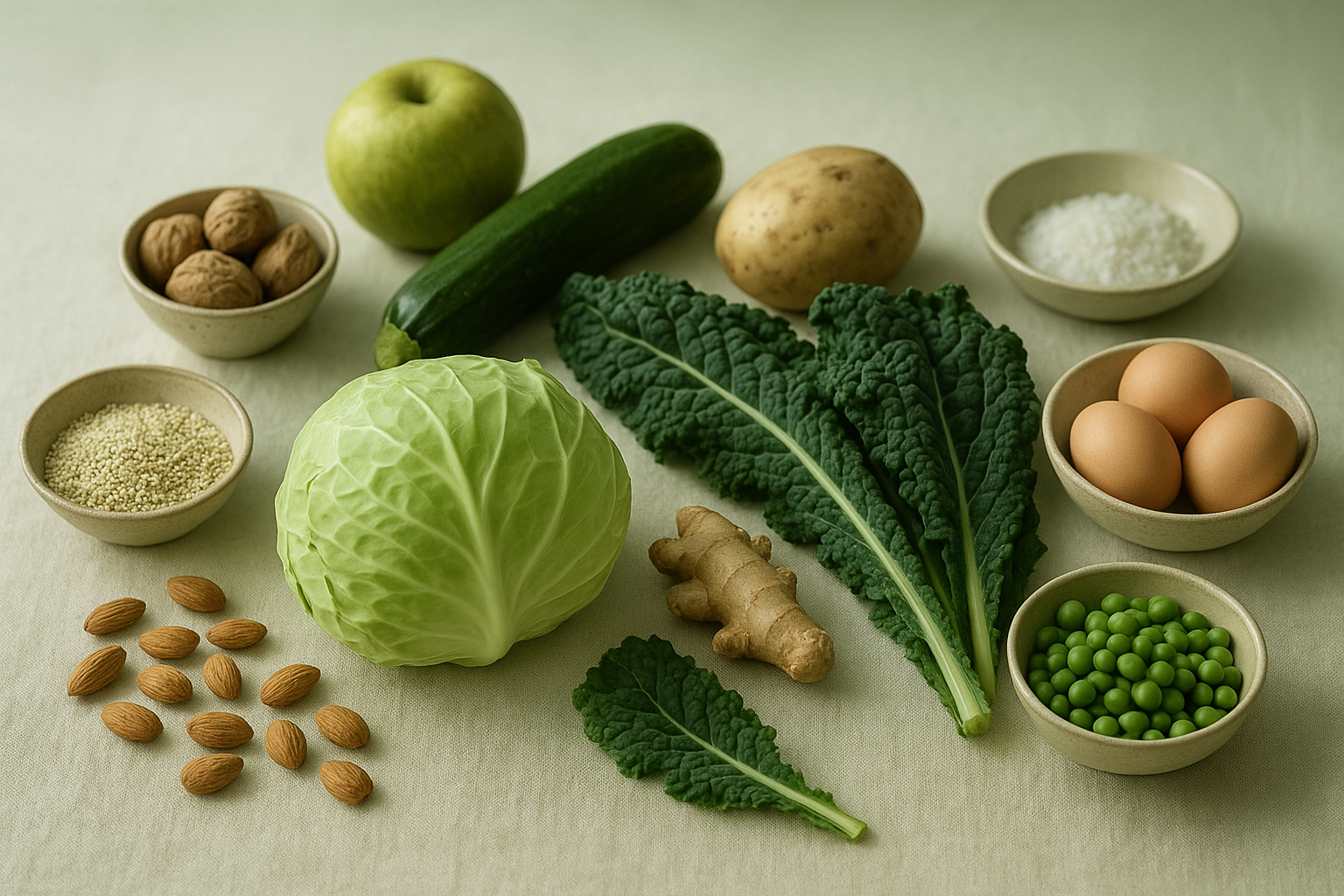
Focus on versatile and inexpensive whole food staples. Dried or canned legumes like beans, lentils, and chickpeas are excellent sources of protein and fiber. Whole grains such as oats, brown rice, and whole wheat pasta are filling and cost-effective. Seasonal fruits and vegetables, root vegetables like potatoes and carrots, and cruciferous vegetables like cabbage and broccoli are typically more affordable. For protein, consider eggs, canned fish (tuna, sardines), and less expensive cuts of poultry or meat when on sale.
Is it cheaper to buy frozen or fresh produce?
Frozen fruits and vegetables are often just as nutritious as their fresh counterparts and can be significantly cheaper, especially when buying out of season. They are picked at their peak ripeness and flash-frozen, preserving nutrients. Canned vegetables (opt for low-sodium) and fruits (in water or their own juice) are also economical options. Always compare unit prices (per pound or ounce) to determine the best value, whether buying fresh, frozen, or canned.
How can cooking from scratch reduce costs?
Preparing meals at home from basic ingredients is almost always more economical than purchasing pre-made meals or dining out. For example, a homemade vegetable soup using dried lentils and diced vegetables can cost a fraction of a store-bought version. Ultra-processed foods, often chosen for convenience, can be surprisingly expensive when considering their nutritional value. By cooking from scratch, you have control over ingredients, allowing you to avoid unnecessary additives and often costly preservatives.
Worked Example: Building a Budget-Friendly Meal Let's say you want to make a balanced meal for four people on a budget. Instead of buying a pre-made frozen lasagna for $12, consider making a lentil and vegetable curry. Here's how it might break down:
- 1 cup dried lentils: $0.75
- 1 large onion: $0.50
- 2 carrots: $0.40
- 2 cups frozen spinach: $1.00
- 1 can diced tomatoes: $0.90
- Curry powder/spices: $0.50 (assuming you have some, or a small portion of a new purchase)
- Brown rice (dry): $0.75
Total cost: Approximately $4.80 for a nutrient-dense meal for four, which is about $1.20 per serving. This is significantly less than the $3.00 per serving for the frozen lasagna and provides more whole foods and fiber. This approach demonstrates how cooking from scratch with staple whole foods can be both healthy and economical.
Key takeaways
- 01Plan meals weekly and shop with a list to reduce impulse buys and food waste, optimizing your grocery budget.
- 02Prioritize affordable whole food staples like legumes, whole grains, eggs, and seasonal or frozen produce for maximum nutrition per dollar.
- 03Cook meals from scratch at home to save money and gain control over ingredients, avoiding costly ultra-processed options.
- 04Buy in bulk for pantry items like grains and beans when possible, and compare unit prices across fresh, frozen, and canned options.
- 05Reduce reliance on ultra-processed foods, which are often expensive and contribute significantly to added sugar intake.
Frequently asked
Are organic whole foods always more expensive?+
Organic options can sometimes be pricier, but not always significantly. Focus on the "Dirty Dozen" list for organic produce to prioritize your spending, and buy conventional for items on the "Clean Fifteen" list. Frozen organic produce can also be a more affordable choice.
How can I make my own meals from scratch faster?+
Batch cooking (preparing large quantities of staples like grains or roasted vegetables at once), using quick-cooking methods like pressure cooking or stir-frying, and prepping ingredients ahead of time (chopping veggies) can significantly speed up meal preparation during the week.
Is buying in bulk always a good idea for whole foods?+
Buying in bulk can save money on non-perishable whole foods like dried beans, grains, and nuts. However, ensure you have proper storage to prevent spoilage and only buy quantities you know you'll consume before their expiration to avoid waste.
What's the difference between processed and ultra-processed foods?+
Processed foods are typically minimally altered (e.g., canned vegetables, simple bread with few ingredients). Ultra-processed foods are industrial formulations containing many ingredients, including substances not used in home cooking like artificial flavors, colors, and emulsifiers, often aiming to imitate qualities of natural foods. These often contribute significantly to added sugar intake [Source](https://bmjopen.bmj.com/content/bmjopen/6/3/e009892.full.pdf).
How do I start transitioning to more whole foods without feeling overwhelmed?+
Start small by replacing one ultra-processed item a week with a whole-food alternative. For example, swap sugary breakfast cereal for oatmeal with fruit, or choose homemade snacks over packaged ones. Gradual changes are more sustainable than drastic overhauls.
Sources
Every lesson is drafted from primary sources - official announcements, vendor blogs, and reputable industry reporting - then edited by our pipeline.
More on Whole Foods
See all →Jan 1, 1970
Whole Food Meal Prep for Beginners: Your Essential Guide
This lesson guides beginners through whole food meal preparation, offering practical steps to save time and promote a nutrient-rich eating pattern.
Jan 1, 1970
Are Potatoes a Healthy Whole Food? A Nutrition Guide
This lesson explores the nutritional profile of potatoes, clarifying if they qualify as a healthy whole food and how their preparation impacts their health benefits.
Jan 1, 1970
Are Canned Beans a Whole Food?
This lesson explains how canned beans fit into whole food definitions, distinguishing them from ultraprocessed foods often high in added sugars, saturated fat, or sodium.
Jan 1, 1970
What's the Difference Between Processed and Ultra-Processed Foods?
This lesson explains the distinctions between processed and ultra-processed foods, focusing on their processing level, ingredients, and potential nutritional impacts to help you make informed dietary choices.
Free account
Want to go deeper?
Sign up free to unlock the full daily industry feed, save posts and articles to your library, and chat with the coach about anything you read.