
Is Oatmeal a Whole Food? Understanding Processed vs. Whole Grains
This lesson explains whether oatmeal is considered a whole food, differentiating between minimally processed and ultraprocessed versions and their nutritional implications.
Written by the Nutrition Tutor Academy teaching team from 3 primary sources. How we source →
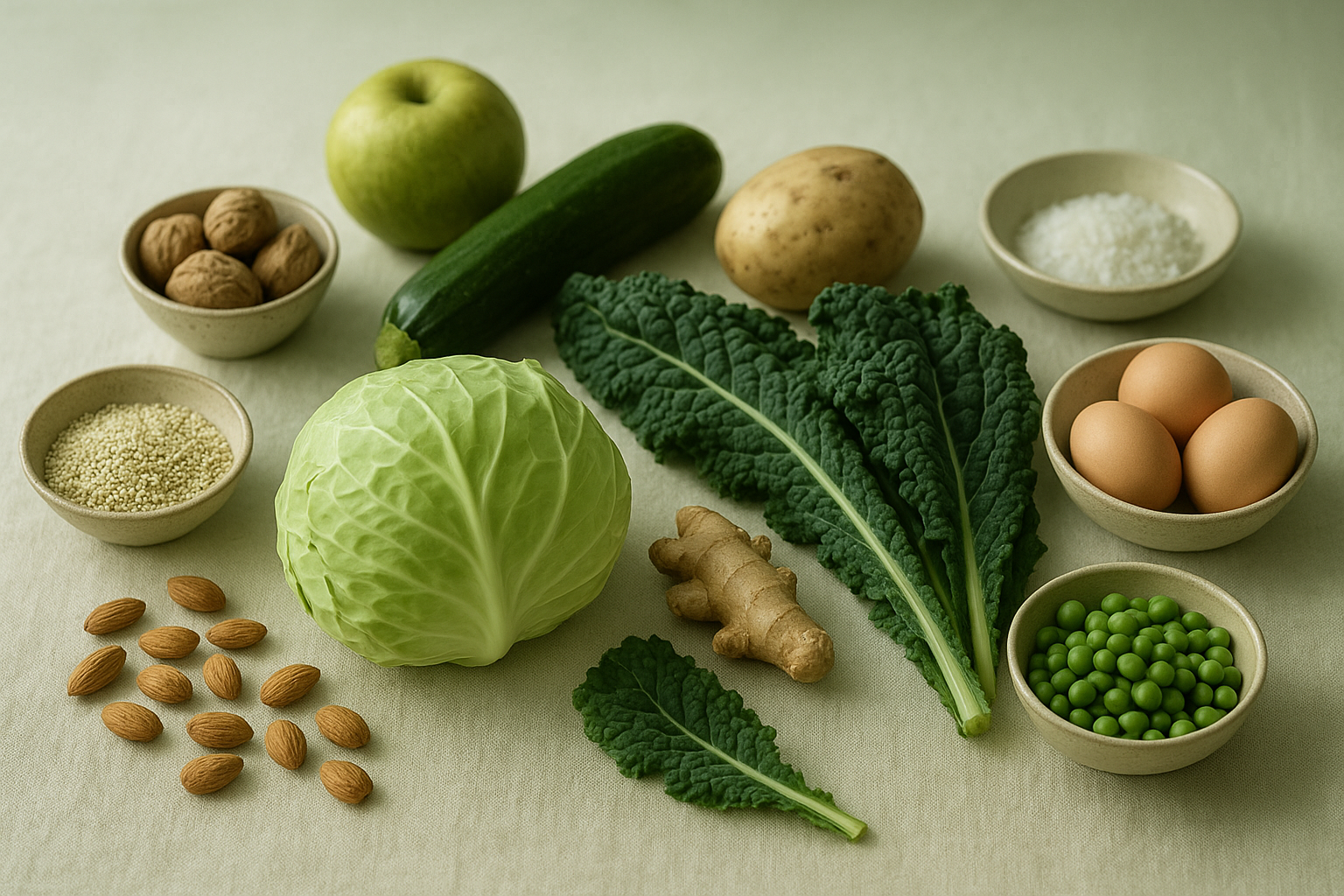
Quick answer: Yes, oatmeal, particularly traditional rolled oats or steel-cut oats, is considered a whole food. It retains all parts of the oat grain: the bran, germ, and endosperm, providing fiber, vitamins, and minerals. However, highly processed instant oatmeals with added sugars and artificial ingredients may fall into the category of ultraprocessed foods.
Quick facts
- Traditional oatmeal (rolled or steel-cut oats) is a whole grain food.
- Whole grains contain bran, germ, and endosperm, offering complete nutrition.
- Processing can alter oatmeal's nutritional value, especially with added sugars.
- Ultraprocessed foods often contain industrial ingredients and additives.
- Minimally processed foods retain their inherent nutritional benefits.
- Check ingredient lists for added sugars, flavors, and preservatives.
Oatmeal is a popular breakfast staple, often lauded for its health benefits. But how does it fit into the category of 'whole foods'? The answer depends on the type of oatmeal and its level of processing.
What Defines a Whole Food?
A whole food is generally understood to be a food that has been processed or refined as little as possible, and is free from additives or artificial substances. For grains, a whole grain means that all three parts of the grain kernel—the bran, germ, and endosperm—are present. Each part offers distinct nutrients: the bran provides fiber, the germ contains vitamins and healthy fats, and the endosperm supplies carbohydrates and protein.
Is All Oatmeal the Same?
No, not all oatmeal is created equal in terms of processing. Oats themselves are naturally whole grains. However, the way they are prepared for consumption can significantly change their classification and nutritional profile. The primary forms of oatmeal available are steel-cut, rolled, and instant oats.
- Steel-cut oats: These are whole oat groats that have been cut into two or three smaller pieces. They are the least processed form and retain a chewy texture and higher fiber content.
- Rolled oats (old-fashioned oats): Oat groats are steamed and then flattened into flakes. This process makes them cook faster than steel-cut oats but they still retain their whole grain status and most of their nutrients.
- Instant oats (quick oats): These are steamed for longer and rolled thinner than rolled oats, sometimes even precooked and dried. This extensive processing allows them to cook very quickly, but it also increases their glycemic index. Some instant oatmeals also contain added sugars, salt, artificial flavors, and preservatives.
When Does Oatmeal Become an Ultraprocessed Food?
While steel-cut and rolled oats are clearly whole foods (or minimally processed whole foods), instant oatmeals, particularly those with a long list of added ingredients, can lean towards being ultraprocessed. Ultraprocessed foods (UPFs) are industrial formulations often high in added sugars, saturated fat, or sodium, and contain ingredients typically not used in home cooking Source. These may include artificial colors, flavors, emulsifiers, and stabilizers.
For example, a plain instant oatmeal packet might be minimally processed, but an instant oatmeal packet labeled "Maple & Brown Sugar" that lists corn syrup solids, artificial flavors, and caramel color among its ingredients would be considered ultraprocessed. These additions can diminish the inherent health benefits of the whole oat grain.
Why Does Processing Matter?
The degree of processing affects not just the nutrient content but also how the food is digested and utilized by the body. Minimally processed whole foods, like steel-cut or rolled oats, tend to have a lower glycemic index, leading to a slower rise in blood sugar. Their fiber content supports digestive health and prolonged satiety. In contrast, ultraprocessed versions with added sugars and refined ingredients can contribute to higher sugar intake and offer fewer nutritional benefits.
Worked Example:
Let's compare two oatmeal options:
-
Option 1: Steel-Cut Oats
- Ingredients: Whole grain oats.
- Processing Level: Minimally processed (cut).
- Nutritional Impact: High in fiber, protein, vitamins, and minerals. Low glycemic index. Considered a whole food.
-
Option 2: Instant Flavored Oatmeal Packet
- Ingredients: Whole grain rolled oats, sugar, natural and artificial flavor, salt, caramel color.
- Processing Level: Highly processed (rolled thin, pre-cooked, dried) with added ingredients (sugar, artificial flavor, color).
- Nutritional Impact: Lower fiber content (due to fine milling), high in added sugar, contains artificial additives. Closer to an ultraprocessed food.
This example illustrates that while both start with oats, the final product's health profile can differ significantly based on manufacturing and added ingredients.
Key takeaways
- 01Traditional steel-cut and rolled oats are whole foods, retaining all natural grain components.
- 02Instant oatmeal, especially flavored varieties with additives, can be classified as ultraprocessed.
- 03Minimally processed oats offer more fiber and sustained energy compared to highly processed versions.
- 04Always check the ingredient list to determine the processing level and added ingredients in oatmeal products.
- 05Opting for plain, less processed oats allows you to control sweeteners and additions.
Frequently asked
What's the difference between whole grain and whole food?+
A 'whole grain' refers to a grain product that contains all three parts of the kernel (bran, germ, endosperm). A 'whole food' is a broader term encompassing foods that are largely unprocessed, unrefined, and free from artificial substances, which can include whole grains, fruits, vegetables, and lean proteins.
Are instant oats always bad for you?+
Plain instant oats can be a convenient source of whole grains. However, many instant oatmeal packets come with significant added sugars, artificial flavors, and preservatives, which can reduce their nutritional value and contribute to higher calorie and sugar intake. Always check the ingredient list.
How can I make my oatmeal healthier?+
To make oatmeal healthier, start with plain steel-cut or rolled oats. Add fresh fruits, nuts, seeds, and spices like cinnamon for flavor and additional nutrients. You can sweeten it minimally with a small amount of honey, maple syrup, or stevia, rather than relying on pre-sweetened packets.
Do all processed foods count as ultraprocessed?+
No. Processing exists on a spectrum. Minimally processed foods (like pre-cut vegetables or roasted nuts) enhance convenience while retaining nutritional value. Ultraprocessed foods, however, involve industrial formulations with many additives and ingredients not typically found in home cooking.
Can I eat oatmeal every day?+
Yes, consuming plain steel-cut or rolled oats daily can be part of a healthy diet, providing fiber, vitamins, and minerals. It is associated with supporting healthy cholesterol levels and blood sugar management. Pair it with other whole foods for a balanced meal.
What are some examples of other whole grains?+
Other examples of whole grains include brown rice, quinoa, whole wheat, barley, buckwheat, millet, and popcorn (when prepared without excessive oil, butter, or salt). These grains retain their full nutritional profile, similar to whole oats.
Sources
Every lesson is drafted from primary sources - official announcements, vendor blogs, and reputable industry reporting - then edited by our pipeline.
More on Whole Foods
See all →Jan 1, 1970
Whole Food Meal Prep for Beginners: Your Essential Guide
This lesson guides beginners through whole food meal preparation, offering practical steps to save time and promote a nutrient-rich eating pattern.
Jan 1, 1970
Are Potatoes a Healthy Whole Food? A Nutrition Guide
This lesson explores the nutritional profile of potatoes, clarifying if they qualify as a healthy whole food and how their preparation impacts their health benefits.
Jan 1, 1970
Are Canned Beans a Whole Food?
This lesson explains how canned beans fit into whole food definitions, distinguishing them from ultraprocessed foods often high in added sugars, saturated fat, or sodium.
Jan 1, 1970
What's the Difference Between Processed and Ultra-Processed Foods?
This lesson explains the distinctions between processed and ultra-processed foods, focusing on their processing level, ingredients, and potential nutritional impacts to help you make informed dietary choices.
Free account
Want to go deeper?
Sign up free to unlock the full daily industry feed, save posts and articles to your library, and chat with the coach about anything you read.