
What Are Whole Foods? Definition & Examples
This lesson defines whole foods as unprocessed or minimally processed foods, explains their nutritional benefits, and provides examples of how to incorporate them into your diet.
Written by the Nutrition Tutor Academy teaching team from 3 primary sources. How we source →
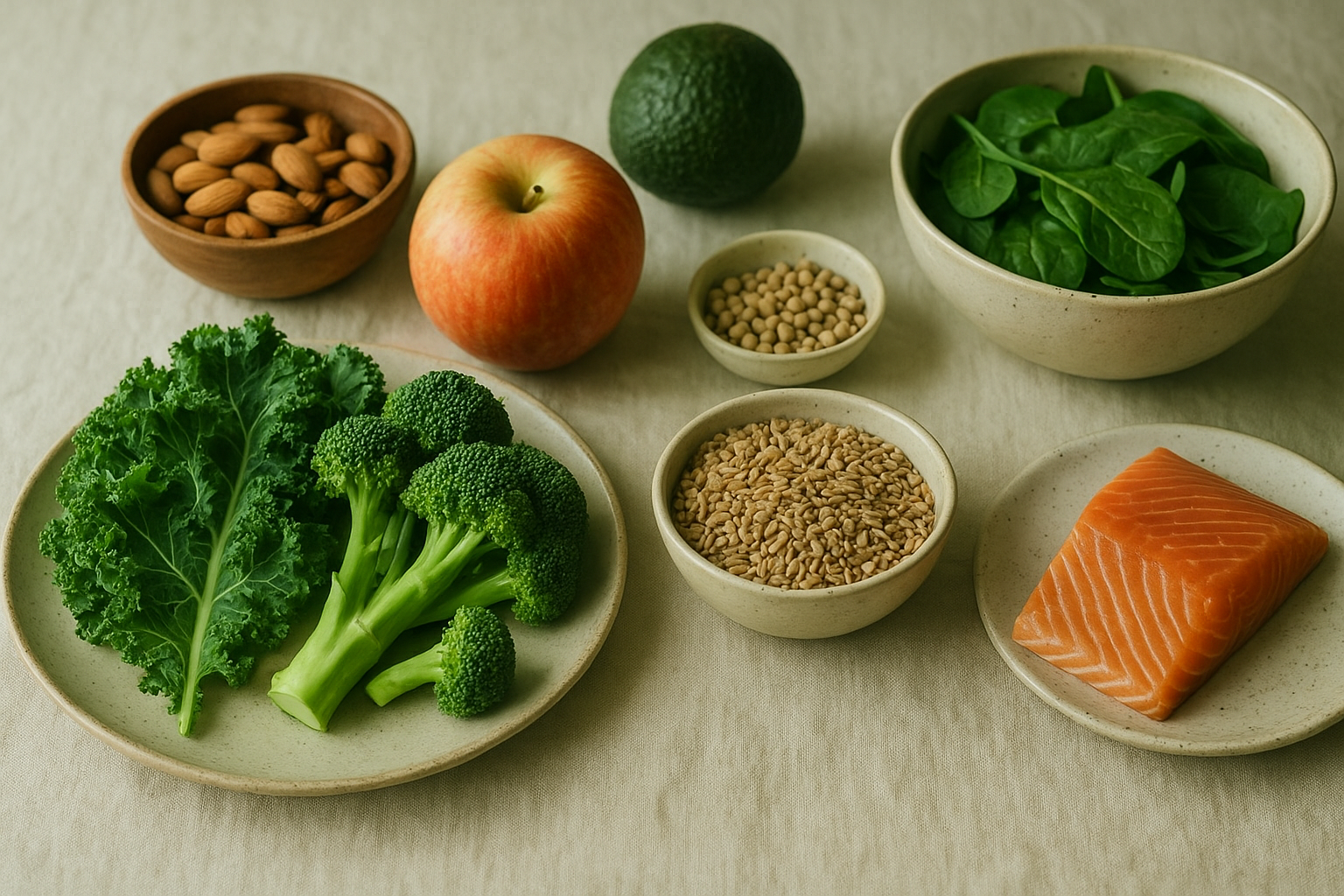
Quick answer: Whole foods are natural, unprocessed or minimally processed foods that retain their original nutritional value. They are typically free from artificial ingredients, hydrogenated fats, high-fructose corn syrup, and over 300 other common additives found in processed foods. Examples include fresh fruits, vegetables, whole grains, nuts, and lean proteins.
Quick facts
- Whole foods are unprocessed or minimally processed, keeping their natural nutrients intact.
- They are free from artificial flavors, colors, sweeteners, and hydrogenated fats.
- Over 300 common food additives are prohibited in products classified as whole foods by some retailers.
- Examples include fresh produce, legumes, whole grains, nuts, seeds, and lean proteins.
- Incorporating whole foods supports a balanced diet and overall well-being.
Many health-conscious eaters recognize the term "whole foods," but what exactly does it mean? In essence, whole foods are those closest to their natural state, with minimal processing and no artificial ingredients.
What defines a whole food?
A whole food is any food that is unprocessed or has undergone very minimal processing, meaning it retains its natural state and nutritional integrity. This typically involves foods that are free from artificial flavors, colors, sweeteners, hydrogenated fats, high-fructose corn syrup, and numerous other additives commonly found in packaged goods Source. The goal is to consume foods with their full spectrum of vitamins, minerals, fiber, and other beneficial compounds intact.
Why are whole foods healthier than processed foods?
Whole foods are generally healthier because their natural nutrient profile is preserved. Processing can strip foods of vital nutrients like fiber, vitamins, and minerals, often replacing them with added sugars, unhealthy fats, and sodium. For example, a whole apple contains fiber and natural sugars, while apple juice, a processed product, might lack the fiber and contain concentrated sugars. The absence of artificial additives in whole foods also reduces exposure to substances that may have detrimental health effects.
What are common examples of whole foods?
Whole foods encompass a wide array of categories. Here are some key examples:
- Fruits and Vegetables: Fresh, frozen, or minimally processed forms without added sugar or sauces. Examples include berries, leafy greens, broccoli, and sweet potatoes.
- Whole Grains: Grains that contain all parts of the kernel—bran, germ, and endosperm. Examples include quinoa, brown rice, oats, whole wheat, and farro.
- Legumes: Beans, lentils, and peas that are dried or canned without excessive sodium. Examples include black beans, chickpeas, and green lentils.
- Nuts and Seeds: Raw or dry-roasted nuts and seeds without added oils, sugars, or salt. Examples include almonds, walnuts, chia seeds, and flaxseeds.
- Lean Proteins: Unprocessed sources like lean meats, poultry, fish, and eggs. For instance, a plain chicken breast is a whole food, but a pre-seasoned, breaded chicken cutlet is not.
- Dairy Products: Plain, unsweetened milk, yogurt, and cheese. For example, plain Greek yogurt is a whole food, while fruit-on-the-bottom yogurt with added sugars is not.
How can I incorporate more whole foods into my diet?
Integrating more whole foods into your daily eating habits can be a gradual and rewarding process. Start by making small, sustainable changes:
- Swap processed snacks: Replace candy bars or chips with fruits, nuts, or vegetable sticks.
- Choose whole grains: Opt for whole-wheat bread and pasta instead of refined versions.
- Prioritize fresh produce: Build meals around vegetables and fruits. For example, add a side salad to lunch or an extra serving of steamed vegetables to dinner.
- Cook at home: Preparing meals from scratch gives you control over ingredients, allowing you to choose whole, unprocessed components. A simple meal of baked salmon, brown rice, and steamed broccoli is a great example of a whole food meal.
- Read labels carefully: Even when something seems 'healthy,' check the ingredient list. Look for minimal ingredients you recognize, and avoid items with excessive added sugars, sodium, or artificial components.
For instance, if you're shopping at a grocery store, focus on the perimeter where fresh produce, meats, and dairy are typically located. A store like Whole Foods Market, for example, emphasizes quality standards that prohibit over 300 ingredients commonly found in food, including hydrogenated fats and high-fructose corn syrup, guiding consumers toward whole food choices Source.
Key takeaways
- 01Whole foods are unprocessed or minimally processed, retaining their natural nutrients and lacking artificial additives.
- 02They are healthier than processed foods due to their preserved nutrient content and absence of harmful additives.
- 03Common examples include fresh fruits, vegetables, whole grains, legumes, nuts, seeds, and lean proteins.
- 04You can increase whole food intake by making simple swaps, cooking at home, and carefully reading food labels.
- 05Prioritizing whole foods helps you get essential nutrients and avoid unnecessary processed ingredients.
Frequently asked
Is canned food considered a whole food?+
Canned foods can be whole foods if they contain only the food item itself, like plain canned beans or tomatoes, without added sugars, excessive salt, or other artificial ingredients.
Are frozen fruits and vegetables whole foods?+
Yes, frozen fruits and vegetables are whole foods as long as they are plain without added sauces, sugars, or preservatives. Freezing helps preserve their nutritional value.
What is the difference between whole wheat and whole grain?+
Whole wheat is a type of whole grain, specifically referring to wheat that includes the bran, germ, and endosperm. 'Whole grain' is a broader term encompassing all grains that retain these three parts, like oats, barley, and quinoa.
Can snacks be whole foods?+
Absolutely! Many snacks can be whole foods, such as a piece of fruit, a handful of nuts, vegetable sticks with hummus, or plain yogurt.
Do whole foods always mean organic?+
Not necessarily. While many organic foods are whole foods, the term 'whole food' primarily refers to the degree of processing, not the farming method. A conventional apple is still a whole food.
Are eggs considered a whole food?+
Yes, eggs are considered a whole food. They are a natural, unprocessed protein source that delivers a wide range of essential nutrients.
Sources
Every lesson is drafted from primary sources - official announcements, vendor blogs, and reputable industry reporting - then edited by our pipeline.
More on Whole Foods
See all →Jan 1, 1970
Whole Food Meal Prep for Beginners: Your Essential Guide
This lesson guides beginners through whole food meal preparation, offering practical steps to save time and promote a nutrient-rich eating pattern.
Jan 1, 1970
Are Potatoes a Healthy Whole Food? A Nutrition Guide
This lesson explores the nutritional profile of potatoes, clarifying if they qualify as a healthy whole food and how their preparation impacts their health benefits.
Jan 1, 1970
Are Canned Beans a Whole Food?
This lesson explains how canned beans fit into whole food definitions, distinguishing them from ultraprocessed foods often high in added sugars, saturated fat, or sodium.
Jan 1, 1970
What's the Difference Between Processed and Ultra-Processed Foods?
This lesson explains the distinctions between processed and ultra-processed foods, focusing on their processing level, ingredients, and potential nutritional impacts to help you make informed dietary choices.
Free account
Want to go deeper?
Sign up free to unlock the full daily industry feed, save posts and articles to your library, and chat with the coach about anything you read.