
What's the Difference Between Whole Foods and Processed Foods?
Understand the key distinctions between whole foods and processed foods, focusing on their nutritional content, degree of alteration, and potential impact on health.
Written by the Nutrition Tutor Academy teaching team from 3 primary sources. How we source →
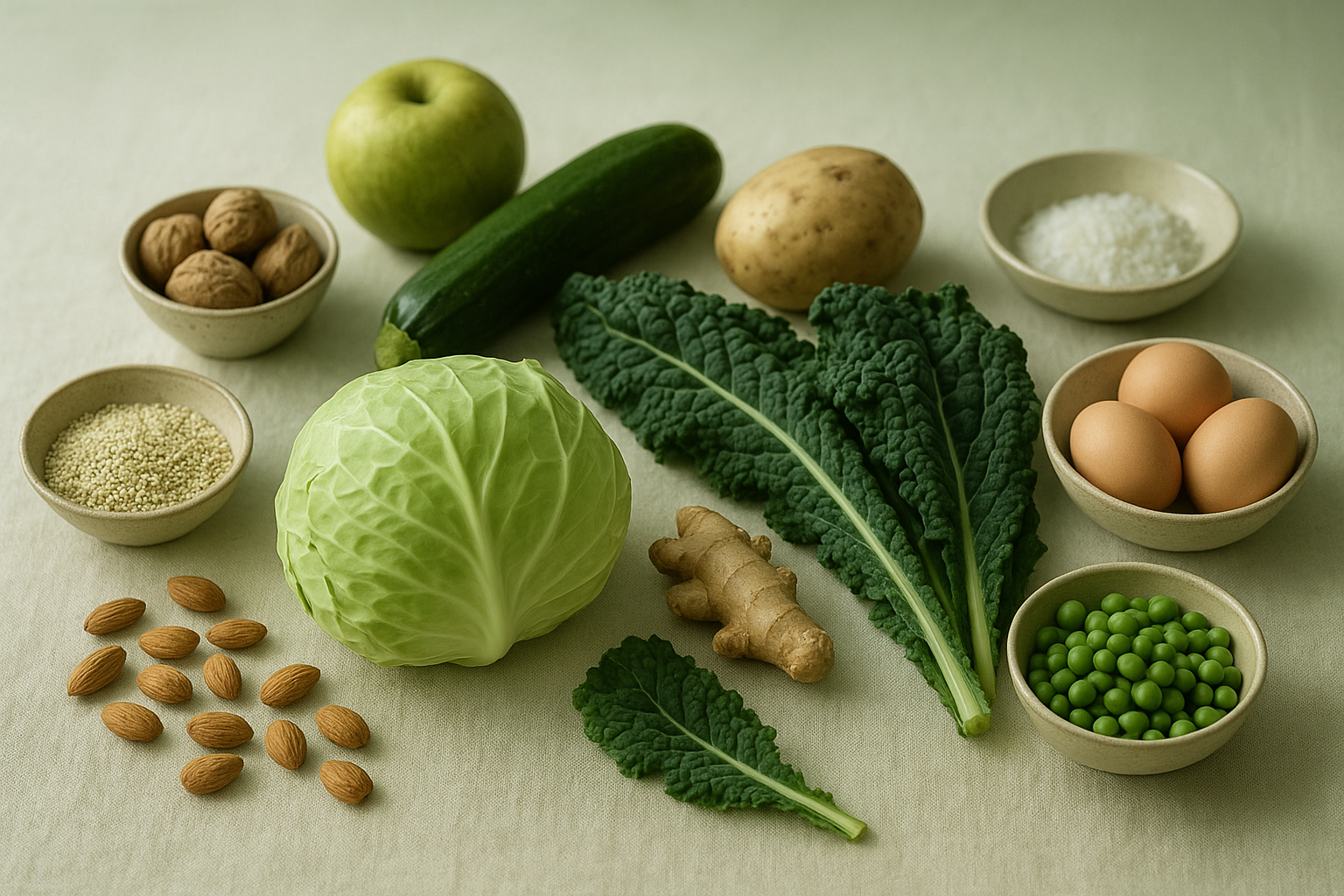
Quick answer: Whole foods are minimally altered from their natural state, retaining their inherent nutrients and fiber. Processed foods, however, undergo various changes, from basic preparation to significant modification with added ingredients like sugars, salts, and fats. The degree of processing impacts nutritional quality, with minimally processed options generally offering more health-supportive benefits than highly processed ones.
Quick facts
- Whole foods are often single-ingredient items, like fruits, vegetables, and unprocessed grains.
- Processing can range from simple washing to extensive alteration with additives.
- Minimally processed foods retain most of their natural nutritional value.
- Highly processed foods often contain added sugars, unhealthy fats, and sodium.
- The definition of "whole grains" can vary by regulatory agency.
- Lifestyle choices often correlate with whole food consumption, potentially influencing health outcomes.
Understanding what we eat is a fundamental step toward better health. The terms "whole foods" and "processed foods" are frequently used, but their exact differences and implications for health can sometimes be confusing.
What defines a whole food?
A whole food is generally understood to be a food that is consumed in its natural or minimally altered state. This means it has undergone little to no processing, retaining its inherent nutrients, fiber, and biological structure. Examples include fresh fruits, vegetables, legumes, nuts, seeds, and intact whole grains. For instance, an apple picked from a tree is a whole food. Similarly, uncooked oats or brown rice are considered whole grains because they still contain the endosperm, germ, and bran layers in their natural proportions Source.
What makes a food processed?
"Processed food" is a broad category that encompasses any food that has been altered from its natural state. This alteration can range from simple washing or cutting to complex manufacturing processes involving multiple ingredients, chemical additives, and extensive heating or preservation techniques. The key is the degree of intervention. For example, chopped vegetables are processed, albeit minimally, while a frozen pizza is highly processed.
How does the degree of processing impact food?
The degree of processing is a critical factor in determining a food's nutritional value. Minimally processed foods, like pre-cut vegetables or roasted nuts, are still close to their whole food form and retain most of their nutritional benefits. These processes are often for convenience or to improve safety (e.g., pasteurization of milk).
In contrast, highly processed foods (often called ultra-processed foods) undergo significant industrial transformations. These foods typically contain many added ingredients such as sugars, artificial sweeteners, sodium, unhealthy fats, flavor enhancers, and preservatives. These additions often increase caloric density while decreasing nutritional value, fiber content, and satiety. The reference highlights that even with whole grains, "the degree of processing matters." For instance, intact whole barley, like in a stew, can have a different physiological effect than milled barley flour used in breads Source.
What are some examples of different processing levels?
To illustrate the spectrum, consider these examples:
- Whole Food: A raw cucumber. It's in its natural state, providing water, vitamins, and fiber.
- Minimally Processed: Sliced cucumbers. It's still just cucumber, but has been physically altered for convenience.
- Moderately Processed: Canned cucumber pickles. The cucumber is preserved with vinegar, salt, and spices. While still recognizable, it contains added sodium.
- Highly Processed: A cucumber-flavored snack cracker. This food likely contains very little actual cucumber, along with refined flours, oils, sugars, and artificial flavorings, bearing little resemblance to the original vegetable.
Another example relates to whole grains. While whole grain consumption is generally recommended for its health benefits, the reference notes that "not all whole grains are equivalent, and the degree of processing matters." For instance, oatmeal porridge is recognized as a whole grain, but its processing and preparation can impact its physiological effects Source.
Why is distinguishing between them important for health?
Choosing whole foods over highly processed alternatives may support better health outcomes. Whole foods are typically rich in essential vitamins, minerals, fiber, and antioxidants, which are crucial for bodily functions and may support the prevention of noncommunicable diseases (NCDs) like diabetes and cardiovascular disease Source. The fiber in whole foods, for example, can aid digestion, help regulate blood sugar levels, and contribute to a feeling of fullness.
Homo sapiens evolved eating whole, unprocessed foods. Conversely, highly processed foods are often designed to be hyper-palatable, leading to overconsumption. They also tend to displace more nutrient-dense whole foods in the diet. Research suggests that people who consume more whole foods often exhibit broader positive lifestyle choices, such as exercising more and smoking less, which also contribute to improved health. This means the observed benefits of whole grain consumption, for example, may not solely be due to the grains themselves but also related to other healthy habits of those who choose them Source. Therefore, while focusing on whole foods, a holistic approach to lifestyle is also beneficial.
Are there any challenges in classification?
Yes, classification can be complex. Even the definition of "whole grains" can vary between different national guidelines and regulatory bodies. For example, Brazil's National Health Regulatory Agency states a product can be labeled as whole grain if at least 30% of its ingredients by weight are whole grains and it contains more whole grain than refined grain ingredients. In contrast, the United States Food and Drug Administration defines a whole grain as containing at least 50% of all three parts of the original kernel (bran, germ, and endosperm), in their original proportions, even if ground or flaked Source. This lack of standardization can make it challenging for consumers to interpret food labels and for researchers to compare study findings accurately. However, the general principle remains that the closer a food is to its natural state, the more likely it is to be health-supportive.
Key takeaways
- 01Whole foods are minimally processed, retaining their natural nutrients and fiber.
- 02Processed foods undergo various alterations, from mild to extensive.
- 03Highly processed foods often contain added sugars, salts, unhealthy fats, and artificial ingredients.
- 04The degree of processing directly impacts a food's nutritional quality and potential health effects.
- 05Prioritizing whole foods in your diet may support overall health and well-being.
Frequently asked
What are some common whole foods I should include in my diet?+
Common whole foods include fresh fruits (apples, berries), vegetables (broccoli, spinach), legumes (beans, lentils), nuts (almonds, walnuts), seeds (chia, flax), and intact whole grains (oats, brown rice, quinoa).
Are all processed foods unhealthy?+
No, not all processed foods are unhealthy. Minimally processed foods like plain yogurt, pre-cut vegetables, or frozen fruits can be convenient and nutritious. The concern is primarily with highly processed (ultra-processed) foods that are rich in additives and low in essential nutrients.
How can I tell if a food is highly processed?+
Highly processed foods often have long ingredient lists with unfamiliar names, contain added sugars (sucrose, high-fructose corn syrup), unhealthy fats (partially hydrogenated oils), excessive sodium, and artificial colors or flavors. They typically come in packages and are ready-to-eat.
Does cooking make a whole food processed?+
Cooking is a form of processing, but typically, methods like steaming, baking, or boiling homemade meals from whole ingredients are considered minimal processing and do not strip the food of its core nutritional value. The term 'processed' usually refers to industrial alteration beyond home cooking.
Why is fiber important in whole foods?+
Fiber in whole foods is crucial for digestive health, helping to maintain bowel regularity. It also plays a role in managing blood sugar levels, contributing to satiety, and may support a healthy gut microbiome.
Can I still eat processed foods and be healthy?+
A healthy diet can include some minimally processed foods. The key is moderation and balance. Prioritizing whole, unprocessed foods for the majority of your diet while occasionally enjoying moderately processed items can contribute to overall health. It is often recommended to limit highly processed foods.
Sources
Every lesson is drafted from primary sources - official announcements, vendor blogs, and reputable industry reporting - then edited by our pipeline.
More on Whole Foods
See all →Jan 1, 1970
Whole Food Meal Prep for Beginners: Your Essential Guide
This lesson guides beginners through whole food meal preparation, offering practical steps to save time and promote a nutrient-rich eating pattern.
Jan 1, 1970
Are Potatoes a Healthy Whole Food? A Nutrition Guide
This lesson explores the nutritional profile of potatoes, clarifying if they qualify as a healthy whole food and how their preparation impacts their health benefits.
Jan 1, 1970
Are Canned Beans a Whole Food?
This lesson explains how canned beans fit into whole food definitions, distinguishing them from ultraprocessed foods often high in added sugars, saturated fat, or sodium.
Jan 1, 1970
What's the Difference Between Processed and Ultra-Processed Foods?
This lesson explains the distinctions between processed and ultra-processed foods, focusing on their processing level, ingredients, and potential nutritional impacts to help you make informed dietary choices.
Free account
Want to go deeper?
Sign up free to unlock the full daily industry feed, save posts and articles to your library, and chat with the coach about anything you read.