
Adolescent UPF Intake Linked to Social Skills and Behavior
New research shows that ultra-processed food consumption in adolescents is associated with differences in social skills and antisocial behavior, varying by food type, gender, and whether they are an only child.
Written by the Nutrition Tutor Academy teaching team from 3 primary sources. How we source →
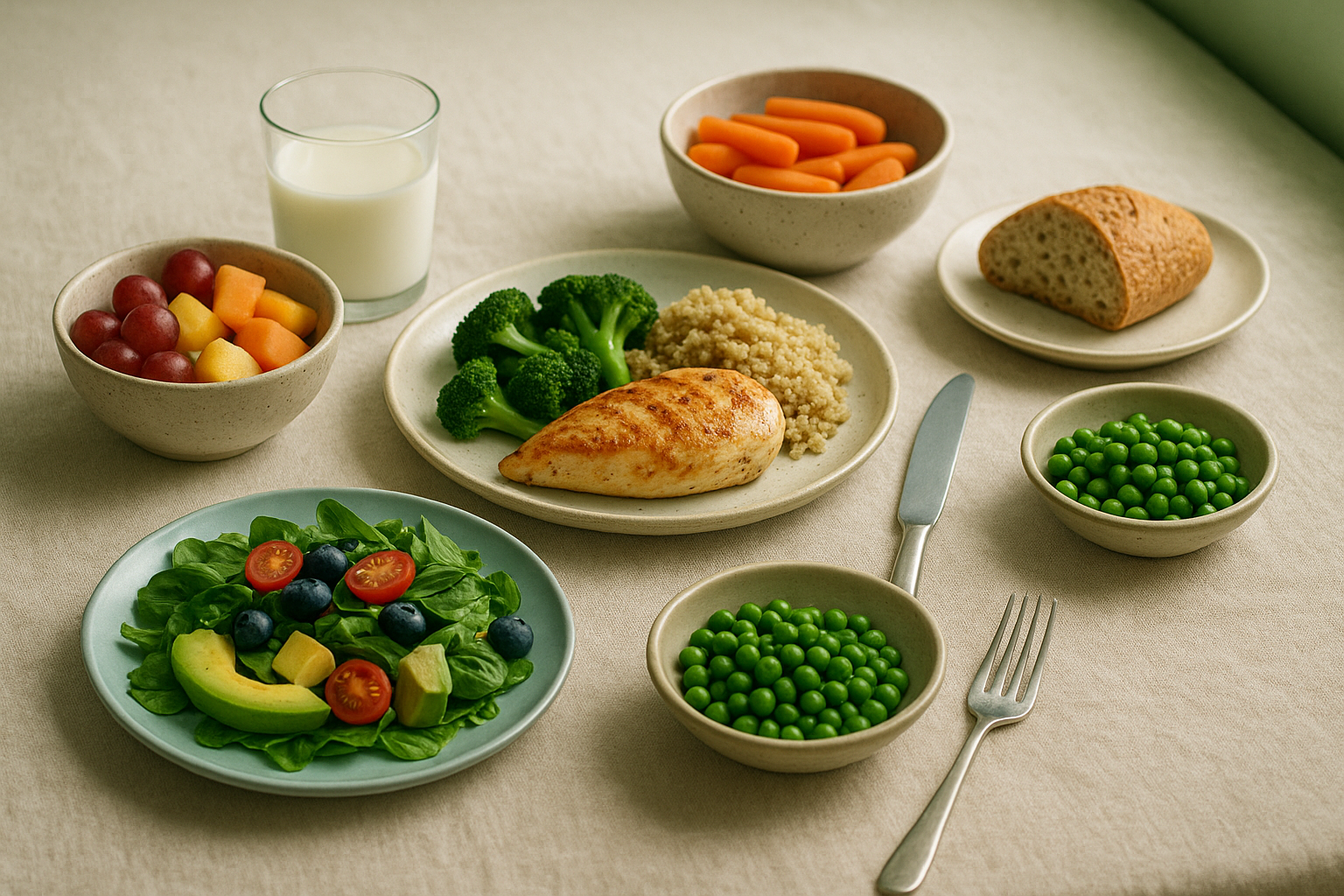
A recent study found that consuming ultra-processed foods (UPFs) can significantly impact social development in adolescents, affecting both social skills (SS) and antisocial behavior (ASB). The effects vary depending on the specific type of UPF, the adolescent's gender, and their status as an only child or not Source.
This research highlights that while some UPF categories might show unexpected associations, many have negative ties to social development. These findings suggest that general advice to 'reduce UPFs' might need more nuance, considering how different foods affect different individuals.
How UPFs Affect Social Development
The study, involving over 3,200 Chinese adolescents, tracked UPF intake and social behaviors over a year. Researchers used the NOVA classification system for UPFs and the School Social Behavior Scale (SSBS) to measure social skills and antisocial behaviors (ASB) Source.
Negative Impacts Identified
Certain UPF types consistently showed negative associations with social development:
- Instant noodles and Western fast food were linked to reduced social skills and increased antisocial behavior across all groups Source.
- Sugary beverages were significantly associated with higher antisocial behavior in girls and adolescents who were not only children. No significant effect was found in boys or only children Source.
- Fried foods were linked to greater antisocial behavior in only children Source.
Surprising and Varied Effects
Not all UPFs showed negative effects, and some results varied significantly by gender and only child status:
- Processed meat was associated with improved social skills across all adolescent groups Source.
- Snacks and desserts were positively linked to social skills in boys and only children. However, they were negatively associated with social skills in girls Source.
Why Context Matters
The study emphasizes that individual differences, such as gender and family context (whether a child is an only child), play crucial moderating roles. Girls and boys often exhibit different social behaviors and dietary habits due to physiological differences and societal influences Source. Similarly, only children might have distinct social interactions and developmental experiences compared to those with siblings, potentially impacting how diet influences their social competencies Source.
These findings suggest that dietary guidance aimed at improving psychosocial outcomes in adolescents should consider these contextual factors, moving beyond a one-size-fits-all approach. For parents, this means observing how different types of processed foods might affect their child's unique social development and adjusting dietary strategies accordingly.
Key takeaways
- 01Ultra-processed food (UPF) consumption can affect adolescent social skills and antisocial behavior.
- 02Specific UPFs like instant noodles and fast food are consistently linked to worse social outcomes.
- 03Sugary drinks are associated with higher antisocial behavior, especially in girls and non-only children.
- 04The impact of UPFs like snacks and desserts can vary by gender and only child status, sometimes even showing positive links to social skills.
- 05Dietary interventions for teens may need to be tailored, considering individual factors like gender and family context.
Frequently asked
What are ultra-processed foods (UPF)?+
UPFs are industrial formulations made with ingredients like modified starches, hydrogenated oils, and additives, designed to be highly palatable and convenient. Common examples include instant noodles, sugary drinks, and fast food.
How were social skills and antisocial behavior measured?+
Social skills (SS) and antisocial behavior (ASB) were evaluated using the School Social Behavior Scale (SSBS), which assesses adolescents' interactions and performance within a school setting.
Does this mean all processed foods are bad for my child's social development?+
Not necessarily all. The study showed varying effects; for example, processed meat was linked to improved social skills. The key difference is often 'ultra-processed' foods, which have many added ingredients and undergo extensive processing.
Why did the study look at both gender and only child status?+
Researchers considered these factors because they can influence dietary habits and social development differently. For example, boys and girls may be more susceptible to different types of behaviors, and only children often have unique social experiences.
What can parents do with this information?+
Parents can observe how different UPF types affect their child's social interactions and well-being. This information can help in making more individualized dietary choices to support their child's overall social and emotional development.
Sources
Every lesson is drafted from primary sources - official announcements, vendor blogs, and reputable industry reporting - then edited by our pipeline.
More on Family & Kids
See all →Aug 10, 2026
Healthy Snacks for Kids: A Guide to Nutritious Choices
Learn how to choose and prepare healthy snacks for kids that support their growth and development, focusing on increasing fruits and vegetables while limiting sugary options.
Jul 23, 2026
How to Feed a Picky Eater
Learn effective strategies to manage picky eating in children, focusing on creating positive mealtime environments, introducing new foods without pressure, and establishing clear eating routines.
Jul 20, 2026
Visual Contrast in Dining: Boosting Intake for Older Adults
Improving the visual contrast between food, plates, and placemats can help older adults eat more, especially those with cognitive decline.
Jul 20, 2026
Visual Contrast in Dining Boosts Food Intake for Older Adults
A systematic review indicates that enhancing visual contrast between food, plates, and tables can improve dietary intake in older adults.
Free account
Want to go deeper?
Sign up free to unlock the full daily industry feed, save posts and articles to your library, and chat with the coach about anything you read.