
Visual Contrast in Dining Boosts Intake for Older Adults
A new review suggests that making food and dining environments more visually contrasting can help older adults eat more, especially those with cognitive decline.
Written by the Nutrition Tutor Academy teaching team from 3 primary sources. How we source →
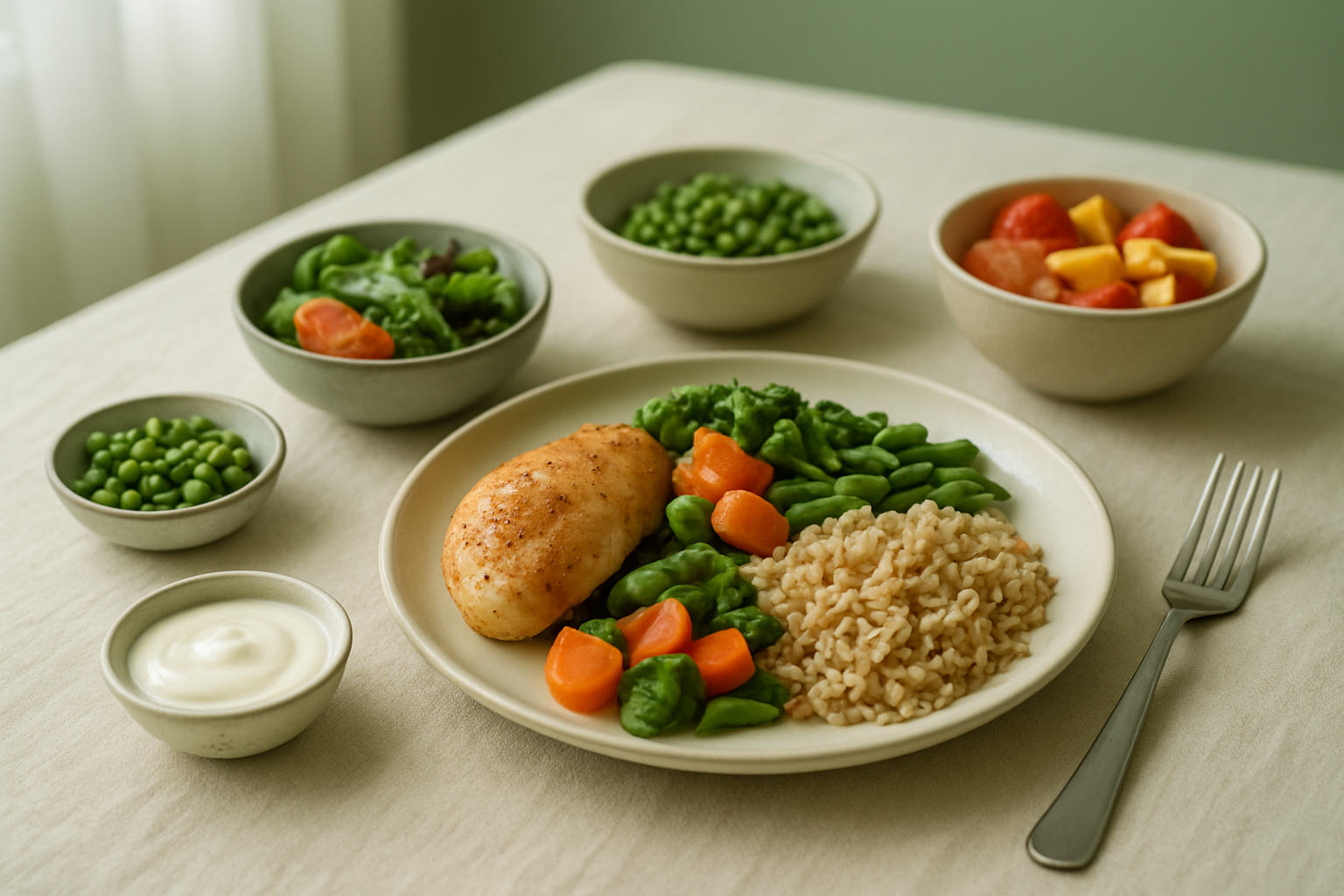
Ever notice how a meal looks more appealing on certain plates? It turns out that visual contrast in the dining environment can have a real impact on how much older adults eat. A recent systematic review looked at how altering things like plate color and tablecloths affects dietary intake Source.
The Power of Visual Cues
For many older adults, especially those experiencing cognitive changes, the act of eating can become more challenging. Reduced appetite, difficulty recognizing food, and visual impairments can lead to inadequate nutrition. This review highlights that visual contrast could be a simple yet effective strategy to help.
What They Looked At
The review focused on studies that explored how changing visual elements in the dining environment influenced how much food older adults consumed. This included factors like:
- Plate color contrast: For example, serving a light-colored meal on a dark plate, or vice versa.
- Table linen contrast: How the tablecloth or placemat contrasted with the plate.
- Food contrast: Making individual food items stand out more against each other and the plate.
Key Findings
The systematic review suggests that modifying visual contrast in the dining environment can positively influence dietary intake in older adults. While specific effects varied across studies, the general trend indicates that when food or dinnerware stands out more, people tend to eat more.
For instance, one common observation was that using a plate color that highly contrasts with the food often led to a greater intake of that food. This is particularly relevant for those with visual or cognitive impairments who might struggle to distinguish food from the plate.
Why Contrast Matters
As we age, our vision can decline, and cognitive functions may change. These factors can make it harder to perceive food clearly and can reduce the pleasure and recognition associated with eating. By increasing visual contrast, we can:
- Enhance food perception: Make food more visible and easier to identify.
- Stimulate appetite: A clear, appealing presentation can make meals more inviting.
- Reduce confusion: Help individuals differentiate food from the surface it's served on, especially important for those with conditions like dementia.
Practical Applications for Families
Making small adjustments to the dining setting for older family members can have a big impact. Consider these ideas:
- Choose contrasting plates: If serving a light-colored food like mashed potatoes or chicken, use a darker plate. For dark foods like berries or green vegetables, opt for lighter-colored dinnerware.
- Table setting matters: A placemat or tablecloth that contrasts with the plate can further help the plate and its contents stand out.
- Colorful food choices: Incorporate a variety of naturally colorful foods into meals to make them visually appealing. Think about the color combinations on the plate.
- Appropriate lighting: Ensure the dining area is well-lit to maximize visual clarity.
These simple, non-invasive strategies can create a more engaging and accessible eating experience, potentially leading to improved nutritional intake and overall well-being for older adults.
Key takeaways
- 01Visual contrast in dining environments can increase food intake in older adults, especially those with cognitive decline.
- 02Using contrasting plate colors with food helps make meals more visible and appealing.
- 03Tablecloths or placemats that contrast with dinnerware can further enhance food perception.
- 04Simple changes like colorful food choices and good lighting can improve older adults' eating experiences.
- 05These methods offer a non-invasive way to support better nutrition for seniors.
Frequently asked
Why does visual contrast affect how much older adults eat?+
As people age, their vision and cognitive abilities can change, making it harder to distinguish food from the plate or table. Increased contrast makes food more noticeable and appealing, which can stimulate appetite and lead to greater intake.
What kind of visual contrast is most effective?+
Serving light-colored foods on dark plates (or vice versa) is a common effective strategy. Also, ensuring the plate contrasts with the tablecloth or placemat can further help the food stand out.
Is this only for people with health issues?+
While particularly beneficial for older adults with cognitive decline or visual impairments, these strategies can make meals more appealing and easier to navigate for any older adult, potentially encouraging better nutrition generally.
Are there other simple ways to improve mealtime for seniors?+
Besides color contrast, ensuring good lighting in the dining area and offering a variety of colorful foods can make meals more inviting. Creating a calm and pleasant dining atmosphere also helps.
Does this replace nutritional supplements or medical advice?+
No, these are complementary strategies to encourage better food intake through environmental adjustments. They should not replace any prescribed nutritional supplements or professional medical advice regarding an individual's dietary needs.
Sources
Every lesson is drafted from primary sources - official announcements, vendor blogs, and reputable industry reporting - then edited by our pipeline.
More on Family & Kids
See all →Aug 10, 2026
Healthy Snacks for Kids: A Guide to Nutritious Choices
Learn how to choose and prepare healthy snacks for kids that support their growth and development, focusing on increasing fruits and vegetables while limiting sugary options.
Jul 23, 2026
How to Feed a Picky Eater
Learn effective strategies to manage picky eating in children, focusing on creating positive mealtime environments, introducing new foods without pressure, and establishing clear eating routines.
Jul 20, 2026
Visual Contrast in Dining: Boosting Intake for Older Adults
Improving the visual contrast between food, plates, and placemats can help older adults eat more, especially those with cognitive decline.
Jul 20, 2026
Visual Contrast in Dining Boosts Food Intake for Older Adults
A systematic review indicates that enhancing visual contrast between food, plates, and tables can improve dietary intake in older adults.
Free account
Want to go deeper?
Sign up free to unlock the full daily industry feed, save posts and articles to your library, and chat with the coach about anything you read.