
Whole FoodsJan 1, 1970
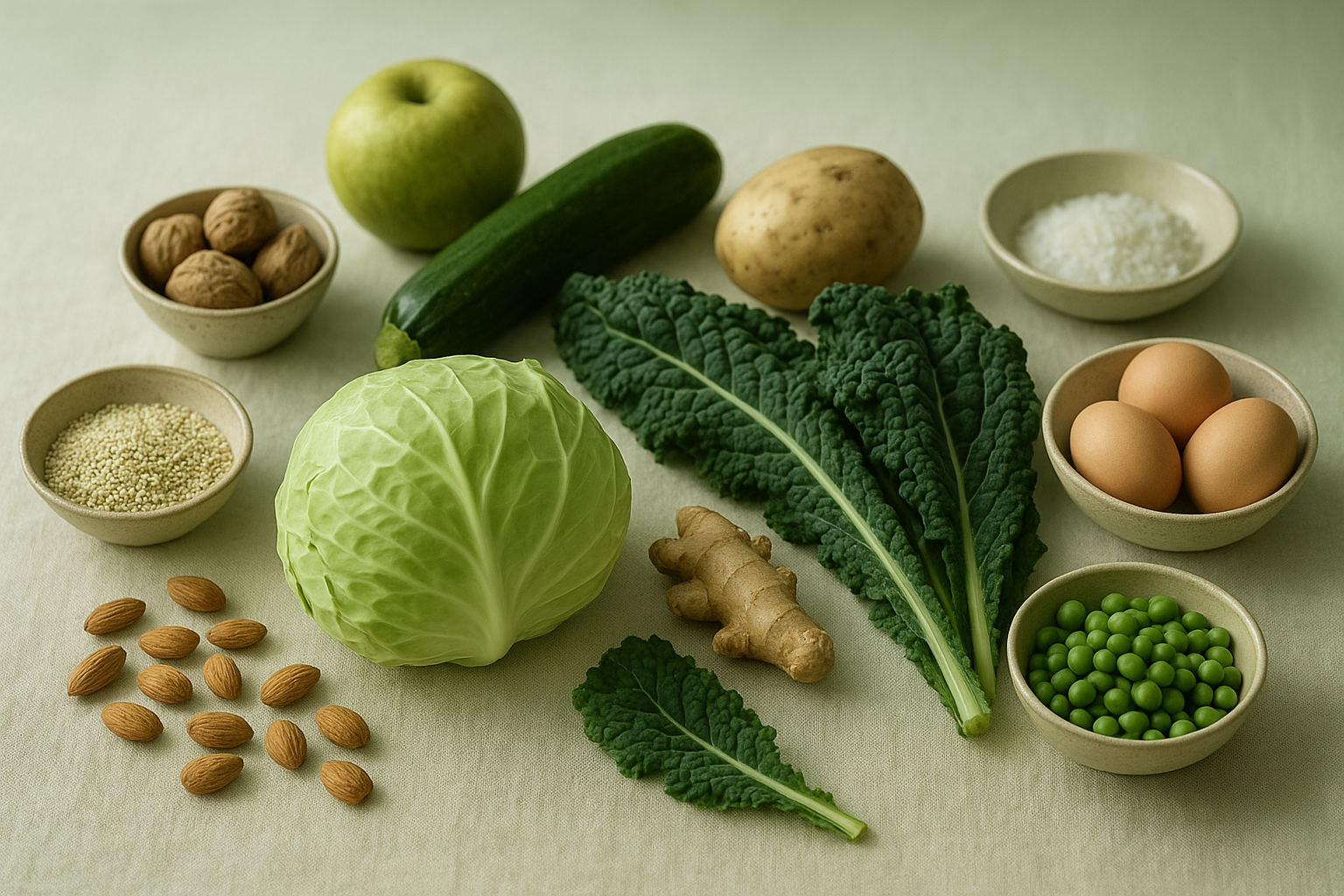
Healthiest Cooking Oils for Whole Food Diets
This lesson outlines how to choose and use cooking oils that support a whole food diet, focusing on unrefined options and appropriate uses for different oils.
Lesson Library
Every post Nutrition Tutor Academy has published, newest first. Filter by pillar or search titles.
This lesson outlines how to choose and use cooking oils that support a whole food diet, focusing on unrefined options and appropriate uses for different oils.
Learn how eating seasonal produce can enhance nutrient intake, support variety in your diet, and contribute to overall health by providing diverse phytonutrients.
Discover practical whole food swaps for popular snacks to enhance your diet with more nutrients and fewer ultra-processed ingredients, aligning with principles of eating real food.
This lesson explains how canned beans fit into whole food definitions, distinguishing them from ultraprocessed foods often high in added sugars, saturated fat, or sodium.
This lesson explains the distinctions between processed and ultra-processed foods, focusing on their processing level, ingredients, and potential nutritional impacts to help you make informed dietary choices.
This lesson explores how bread is classified across different levels of food processing, from minimally processed to ultra-processed, depending on its ingredients and production methods.
Learn to stock your pantry with a variety of whole and minimally processed foods, focusing on categories like grains, fruits, vegetables, lean proteins, and healthy fats, to support a balanced and nutritious diet.
This lesson guides beginners through whole food meal preparation, offering practical steps to save time and promote a nutrient-rich eating pattern.
This lesson explores the nutritional profile of potatoes, clarifying if they qualify as a healthy whole food and how their preparation impacts their health benefits.
This lesson explains what makes quinoa a complete whole food protein, its nutritional benefits, and how to incorporate it into a balanced diet.
Learn how to interpret food labels to identify minimally processed, whole foods by focusing on ingredient lists, nutritional panels, and understanding processing levels.
This lesson explores how to build a nutrient-dense breakfast with whole foods, focusing on options that can support overall well-being and provide sustained energy.
This lesson explains why a diet rich in whole foods is beneficial for health and offers practical guidance on increasing their intake.
This lesson explores how to identify and incorporate the healthiest whole grains into your diet, emphasizing their nutritional benefits and practical serving suggestions.
This lesson explains whether oatmeal is considered a whole food, differentiating between minimally processed and ultraprocessed versions and their nutritional implications.
You'll learn that frozen vegetables are generally as nutritious as fresh ones, sometimes even more so, due to being picked at peak ripeness and quickly frozen, preserving their vitamin and mineral content.
Learn effective strategies to incorporate more nutrient-dense whole foods into your diet without straining your budget, focusing on smart shopping, meal planning, and home cooking.
Understand the key distinctions between whole foods and processed foods, focusing on their nutritional content, degree of alteration, and potential impact on health.
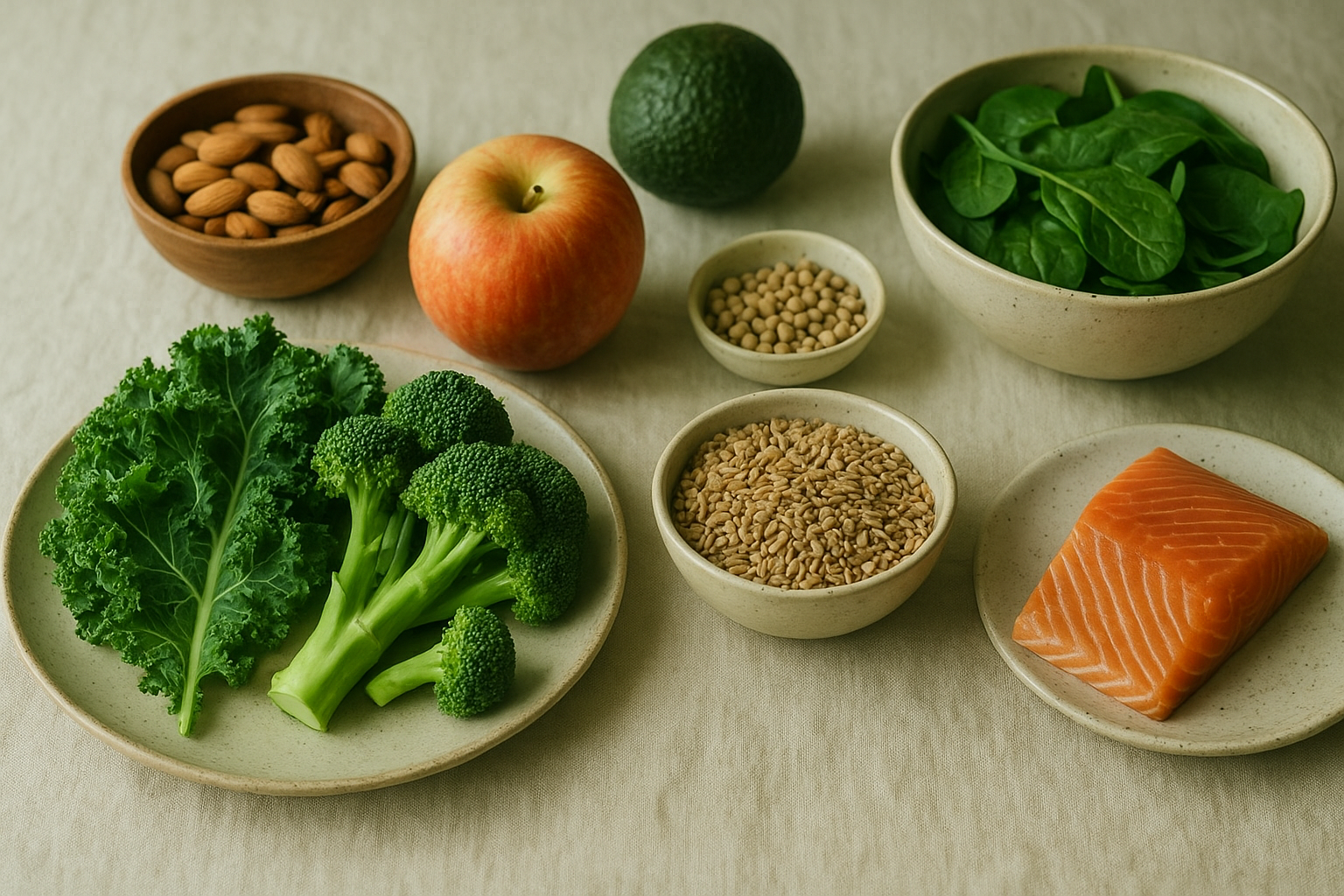
This lesson defines whole foods as unprocessed or minimally processed foods, explains their nutritional benefits, and provides examples of how to incorporate them into your diet.
Online promotions for weight loss supplements often feature exaggerated claims, celebrity endorsements, and fabricated 'Shark Tank' investments to market products like 'Trimology Weight Loss Supplements.'